

Greek Potatoes are not just a side dish; they are a culinary experience that promises to transport your taste buds straight to the sun-drenched tavernas of Greece. Have you ever wondered how something so wonderfully simple could be so utterly irresistible? I’m here to share the magic behind these beloved spuds, a staple that holds a special place in my heart and, I’m sure, will soon find one in yours too.
For centuries, humble potatoes have been a foundational element in Mediterranean cooking, and their preparation in Greek cuisine is truly iconic. These lemon-infused, herb-kissed potatoes are a testament to the power of fresh ingredients and time-honored techniques. Often found gracing tables alongside succulent roasted lamb, grilled fish, or as a delightful component of a larger mezze spread, they embody the warmth, generosity, and vibrant flavors that are hallmarks of Greek hospitality.
People absolutely adore this dish for a multitude of compelling reasons. The perfect Greek Potatoes boast an incredible textural contrast: gloriously crispy, golden-brown edges giving way to a wonderfully tender, fluffy interior. The vibrant zest of fresh lemon juice, the pungent aroma of garlic, and the earthy notes of dried oregano create a symphony of flavors that is both comforting and exhilarating. It’s a deceptively simple dish that profoundly elevates any meal, turning an ordinary dinner into something truly special and memorable. Trust me, once you experience the irresistible charm of authentic Greek Potatoes, you’ll want them on your plate again and again.
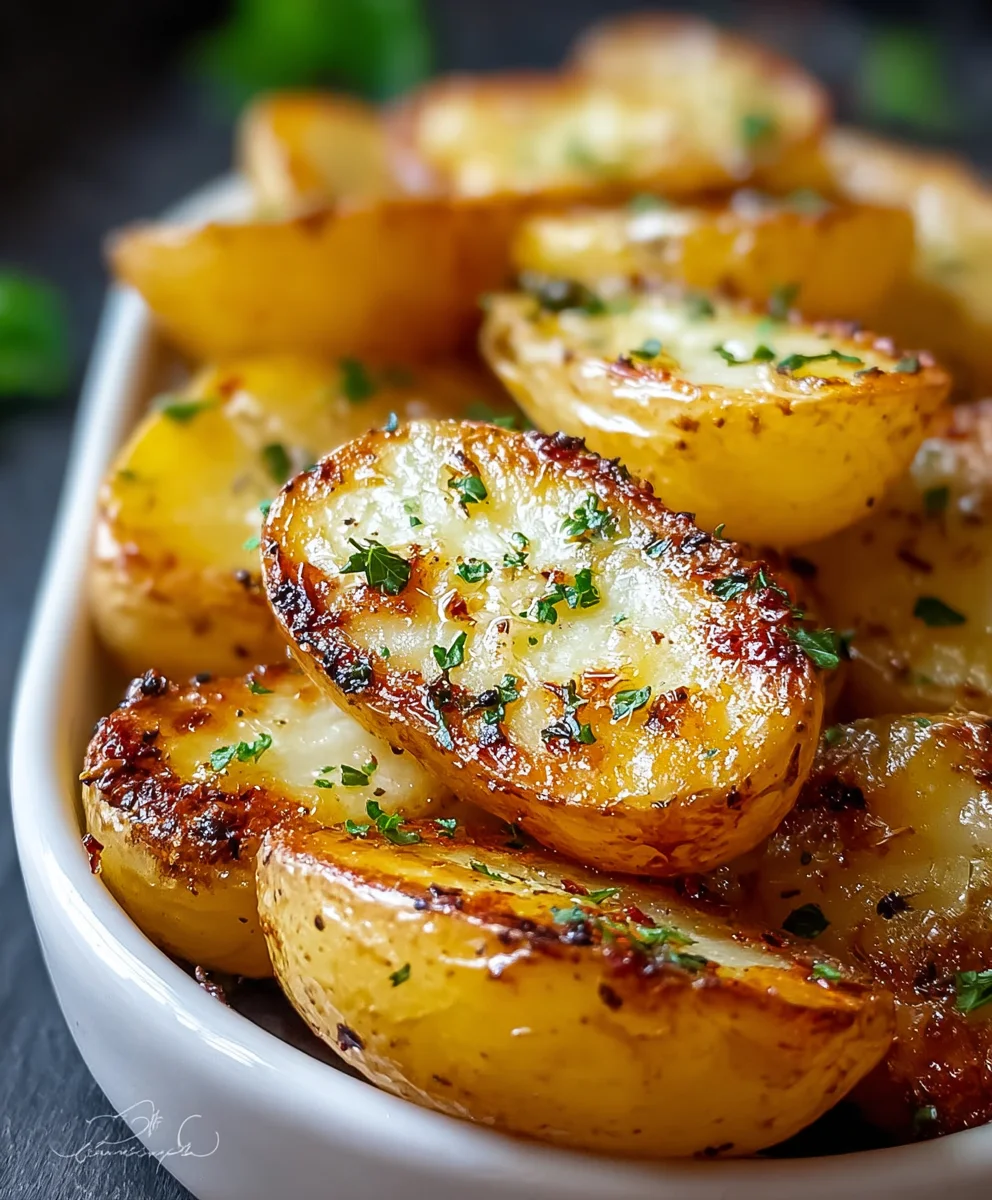
Ingredients:
Creating authentic Greek potatoes is a culinary journey, and it all starts with selecting the right ingredients. Here’s what we’ll need to achieve that signature zesty, savory, and wonderfully tender-crisp perfection:
- Potatoes: Approximately 3 to 4 pounds of Yukon Gold or Russet potatoes. I personally find that Yukon Golds offer a beautiful balance of creamy interior and crisp exterior, while Russets are fantastic if you prefer a fluffier inside.
- Extra Virgin Olive Oil: ½ cup. This is a cornerstone of Greek cooking, so choose a good quality, robust olive oil. It brings a fruity depth that’s essential.
- Freshly Squeezed Lemon Juice: ½ cup, typically from 2-3 large lemons. The vibrant acidity of fresh lemon is what truly defines Greek potatoes, don’t skimp on this!
- Garlic: 6-8 cloves, minced. We want a generous amount of garlic to infuse every bite with its aromatic goodness.
- Dried Greek Oregano: 2 tablespoons. There’s a noticeable difference between generic dried oregano and good quality Greek oregano – the latter is much more potent and fragrant. Seek it out if you can!
- Chicken or Vegetable Broth: 1 cup. This liquid is critical for steaming the potatoes to tenderness while they bake, ensuring they don’t dry out.
- Fine Sea Salt: 1 ½ teaspoons, or to taste. Salt enhances all the other flavors.
- Freshly Ground Black Pepper: 1 teaspoon, or to taste. For a subtle kick and warmth.
- Optional Garnish: Fresh Parsley: ¼ cup, finely chopped, for sprinkling just before serving. It adds a lovely fresh pop of color and herbaceousness.
- Optional Spice Boost: Sweet Paprika: 1 teaspoon. While not strictly traditional for all Greek potato recipes, I sometimes like to add a touch of sweet paprika for an extra layer of warmth and a beautiful reddish hue.
Prepping Your Potatoes for Perfection:
The first step in our Greek potato adventure is all about getting those spuds ready. Proper preparation ensures even cooking and maximum flavor absorption. Trust me, a little attention to detail here goes a long way!
- Wash and Peel (or Don’t!): Begin by thoroughly washing your potatoes under cool running water. If you’re using Yukon Golds, I often opt to leave the skin on for extra fiber, rustic appeal, and convenience – just make sure they’re scrubbed really well. For Russets, I usually peel them as their skin can be a bit tougher. It’s entirely a matter of personal preference, so go with what you like!
- Cut for Consistent Cooking: This is a crucial step! Once clean (and peeled, if desired), quarter your potatoes lengthwise, and then cut each quarter into 2-3 chunks, aiming for pieces that are roughly 1 ½ to 2 inches in size. The goal here is consistency. If your potato pieces are all roughly the same size, they’ll cook evenly, meaning no undercooked hard bits or mushy overcooked pieces. I always try to ensure they have at least one flat side to sit on the baking sheet for better browning.
- Soak for Starch Removal (Optional but Recommended): Once cut, I like to place the potato pieces into a large bowl and cover them with cold water. Let them soak for at least 15-30 minutes, or even up to an hour. This step helps remove excess starch, which can lead to a gummier texture. Less starch means crispier, more distinct potato pieces. If you’re short on time, you can skip this, but I find it makes a difference in the final texture.
- Dry Thoroughly: After soaking, drain the potatoes well. This next part is arguably the most important for achieving that coveted crispy exterior: dry them, and dry them thoroughly! Spread the potato pieces out on clean kitchen towels or paper towels and pat them until they are as dry as possible. Any excess moisture will steam the potatoes rather than allowing them to roast and crisp up. A salad spinner can also work wonders here to get them really dry before patting.
Crafting the Flavorful Marinade:
The heart and soul of our Greek potatoes lie in the vibrant, aromatic marinade. This is where all those incredible Mediterranean flavors come together to coat every single potato piece, infusing them with a taste that is utterly irresistible. Let’s get mixing!
- Prepare Your Marinade Bowl: Grab a large mixing bowl – one that’s big enough to comfortably hold all your potato pieces and allow for easy tossing.
- Combine Wet Ingredients: Into the bowl, pour in your ½ cup of good quality extra virgin olive oil and the ½ cup of freshly squeezed lemon juice. The acidity of the lemon juice, combined with the rich olive oil, forms the perfect base for our flavor profile. I always try to use freshly squeezed lemon juice; bottled simply doesn’t compare in terms of brightness and flavor.
- Add Aromatics and Herbs: Now, add your minced garlic (all 6-8 cloves – yes, we want a lot!), the 2 tablespoons of dried Greek oregano (crushing it slightly between your palms before adding can release even more aroma), the 1 ½ teaspoons of fine sea salt, and the 1 teaspoon of freshly ground black pepper. If you’re opting for the additional sweet paprika, now is the time to add your 1 teaspoon.
- Whisk Until Emulsified: Give all these ingredients a good whisk until they are well combined and the marinade looks slightly emulsified. You’ll notice the distinct aroma of lemon, garlic, and oregano filling your kitchen – that’s a sign you’re on the right track! This careful whisking ensures that every potato piece gets an even coating of all these delicious flavors.
- Add the Broth: Finally, pour in the 1 cup of chicken or vegetable broth. Give it another quick whisk. The broth is essential for keeping the potatoes moist and tender from the inside while they roast, contributing to that incredible melt-in-your-mouth texture that contrasts so beautifully with the crispy exterior.
Marinating and Arranging for Optimal Roasting:
With our potatoes prepped and our marinade mixed, it’s time to bring them together. This stage is crucial for ensuring every potato piece is coated in flavor and has enough room to roast properly.
- Coat the Potatoes: Add your thoroughly dried potato pieces into the large bowl with the prepared marinade. Using a large spoon or your (clean!) hands, toss the potatoes vigorously until every single piece is evenly coated with the fragrant lemon-garlic-oregano mixture. Take your time with this – you want that flavor on every surface!
- Preheat Your Oven: While the potatoes are marinating (even for just a few minutes), preheat your oven to a robust 400°F (200°C). A hot oven is key to achieving that beautiful browning and crispiness.
- Prepare Your Roasting Pan: Choose a large, sturdy roasting pan or a couple of baking sheets. The key here is to avoid overcrowding. If the potatoes are too close together, they will steam instead of roast, preventing them from getting beautifully crispy. I often use two large baking sheets to ensure they have enough space. You can line your baking sheets with parchment paper for easier cleanup, though it’s not strictly necessary.
- Arrange Evenly: Spread the marinated potatoes out in a single layer on your prepared roasting pan(s). Make sure there’s some space between each piece. If using multiple pans, divide the liquid from the marinade bowl evenly among them, pouring it over the potatoes. This ensures all the flavor goes with the potatoes and contributes to the cooking liquid.
The Baking Process:
Now, for the main event! The baking process is where our potatoes transform from humble spuds into golden, tender, and incredibly flavorful Greek potatoes. This stage requires a bit of patience and a few strategic moves to achieve perfection.
- Initial Roast (Covered): Place the roasting pan(s) into your preheated 400°F (200°C) oven. For the first 30 minutes, I like to cover the pan tightly with aluminum foil. This step is a little trick I’ve picked up – it helps to steam the potatoes in the lemon-broth mixture, ensuring they become wonderfully tender on the inside without drying out. This creates a soft, yielding interior that contrasts beautifully with the eventual crispy exterior. If you’re using multiple baking sheets, you’ll need to cover each one individually.
- Uncover and Continue Roasting: After 30 minutes, carefully remove the aluminum foil. Be mindful of the steam that will escape! Now, return the uncovered pan(s) to the oven. At this point, the liquid in the pan will still be quite abundant, and the potatoes will be starting to soften. We’re now moving into the phase where they’ll start to brown and crisp up.
- First Stir and Flip: After another 20-25 minutes (so, about 50-55 minutes total cooking time), carefully remove the pan(s) from the oven. Using a sturdy spatula or tongs, gently stir and flip the potatoes. You’ll notice some pieces beginning to get a lovely golden-brown crust. Ensure you scrape any browned bits from the bottom of the pan – those are pure flavor! Distribute them evenly again in a single layer. This stir-and-flip process helps to ensure even browning on all sides.
- Liquid Reduction and Browning: Return the pan(s) to the oven. Continue to roast for another 20-30 minutes, or until most of the liquid in the pan has evaporated, and the potatoes are deeply golden brown and beautifully crisp on the edges. The exact timing will depend on your oven and how crowded your pan is. What we’re looking for is a rich, caramelized layer forming on the bottom of the pan and a fantastic golden hue on the potatoes themselves.
- Check for Doneness: To ensure they’re perfectly cooked, pierce one of the larger potato pieces with a fork. It should be tender all the way through, with no resistance. If it’s still firm, give them a little more time. The goal is creamy tender interiors and crispy, flavorful exteriors.
Achieving the Perfect Crispy Finish:
The final touches are all about maximizing that delicious crispiness and ensuring every bite is a textural delight. This is where patience truly pays off!
- Higher Heat for Extra Crisp (Optional but Recommended): If your potatoes aren’t as crispy as you’d like, or if you prefer a really deep golden-brown finish, you can turn up the oven temperature to 425°F (220°C) for the last 10-15 minutes of cooking. Keep a close eye on them, as they can go from perfectly golden to burnt quickly at this higher temperature. This blast of high heat helps to crisp up any remaining softer spots and gives them that satisfying crunch.
- Allow to Rest (Briefly): Once the potatoes are golden, crispy, and tender, remove the pan(s) from the oven. I like to let them rest in the hot pan for about 5-10 minutes. This allows the residual heat to continue cooking them slightly and helps to firm up the exterior even further. It also gives the incredibly flavorful pan juices (what little remains after the long roast) a chance to be reabsorbed slightly or cling to the potatoes.
- Final Toss and Garnish: Before serving, give the potatoes one last gentle toss in the pan. Those caramelized bits stuck to the bottom? Scrape them up and mix them in – they are pure concentrated flavor! If you’re using fresh parsley, sprinkle the finely chopped ¼ cup over the hot potatoes. The warmth will slightly wilt the parsley, releasing its fresh aroma and adding a pop of color that makes the dish visually stunning.
- Taste and Adjust: Always give one a taste! If you feel it needs a little more salt, pepper, or even a final squeeze of fresh lemon juice for brightness, now is the time to add it. Sometimes, a tiny bit more fresh lemon at the end really brings everything to life.
Serving Suggestions and Tips:
Congratulations, you’ve just made a fantastic batch of Greek potatoes! These aren’t just a side dish; they’re a celebration of Mediterranean flavors that can elevate any meal. Here are some ideas for how to enjoy them and a few extra tips for success.
How to Serve Your Greek Potatoes:
- Classic Pairing: These potatoes are the quintessential accompaniment to roasted or grilled meats. Think a simple roast chicken, tender lamb chops, a perfectly seared steak, or even a whole roasted fish. The bright lemon and savory herbs cut through the richness of the meat beautifully.
- Vegetarian Main: Don’t underestimate their power as a main course! Serve a generous portion with a simple Greek salad (think tomatoes, cucumbers, red onion, Kalamata olives, and feta) for a satisfying and flavorful vegetarian meal. A dollop of Greek yogurt or tzatziki on the side adds a creamy counterpoint.
- Meze Platter: Incorporate them into a larger meze spread alongside other Greek favorites like spanakopita, keftedes (meatballs), olives, hummus, and pita bread. They add a hearty, comforting element to an appetizer spread.
- Brunch Star: Believe it or not, these make a fantastic addition to a brunch spread. Serve them instead of traditional home fries alongside eggs, bacon, or a fresh fruit salad. The zesty flavor is a welcome wake-up call!
Tips for Success and Variations:
- Don’t Crowd the Pan: I cannot stress this enough! Overcrowding leads to steaming, not roasting. If in doubt, use two baking sheets. Your crispy potatoes will thank you.
- Quality Ingredients Matter: Especially for a dish with relatively few ingredients, the quality really shines through. Use good extra virgin olive oil, fresh lemons, and authentic Greek oregano for the best results.
- Batch Cooking: Greek potatoes are fantastic reheated. You can make a larger batch and enjoy them throughout the week. Reheat them in a hot oven (around 375°F/190°C) for 10-15 minutes to crisp them back up.
- Spice it Up: If you like a little heat, a pinch of red pepper flakes added to the marinade can provide a subtle warmth.
- Herb Variations: While oregano is classic, feel free to experiment with other fresh herbs. Fresh rosemary or thyme sprigs can be added to the pan during the last 30 minutes of roasting for an extra layer of herbaceousness.
- Cheesy Twist: For an indulgent touch, you could sprinkle some crumbled feta cheese over the potatoes during the last 5-10 minutes of baking. The feta will soften and get slightly warmed, adding a salty tang that pairs wonderfully.
- Lemon Zest Boost: For an even more intense lemon flavor, consider adding the zest of one lemon to the marinade along with the juice. The zest contains oils that provide a powerful aromatic punch.
Making these Greek potatoes is truly a labor of love, but the payoff is immense. The aroma that will fill your kitchen, the golden-brown crispness, the tender, flavorful interior – it’s all part of the experience. I hope you enjoy making and sharing this classic dish as much as I do!
Conclusion:
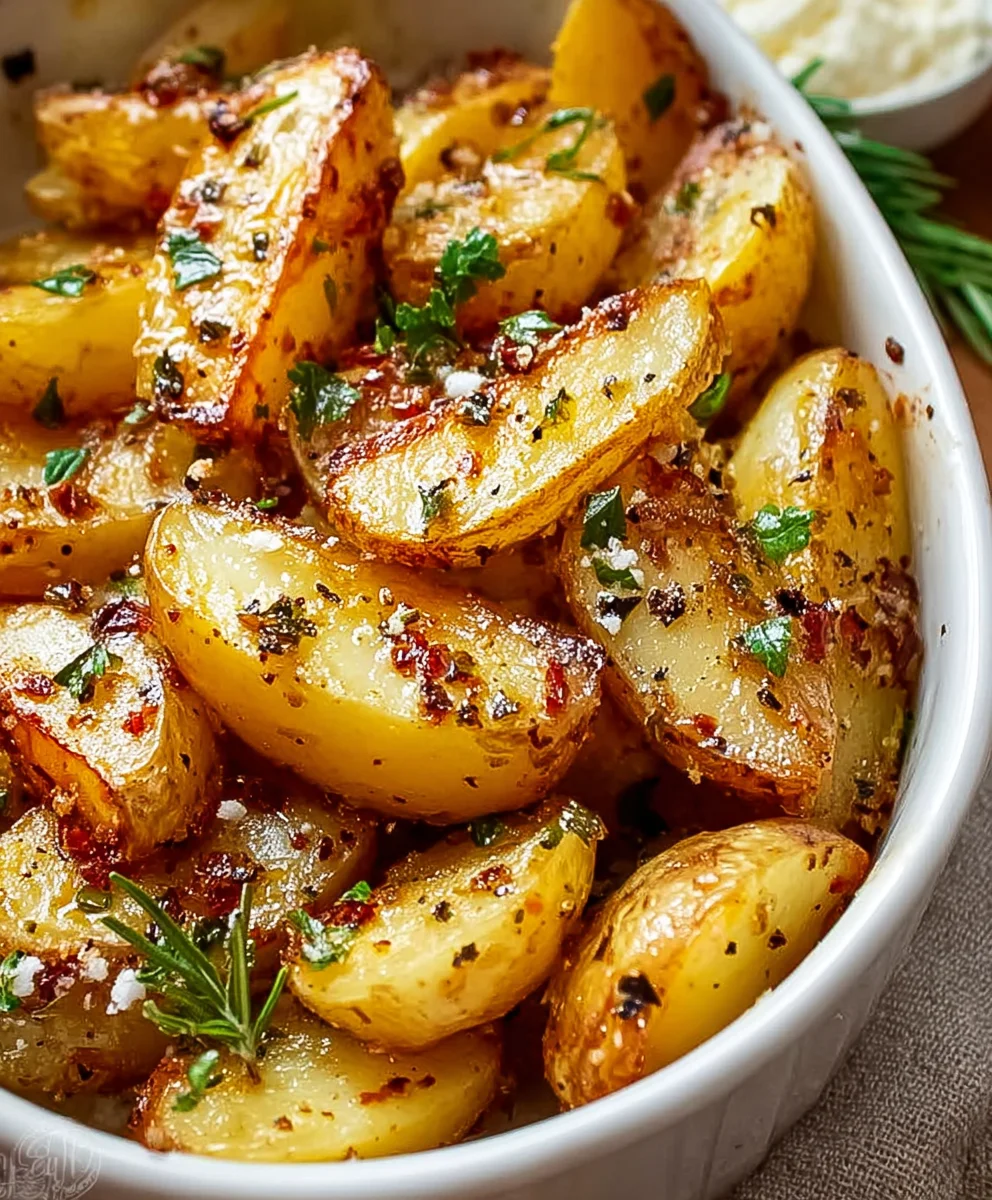
If there’s one recipe I urge you to add to your culinary repertoire, it’s this one. I’m truly convinced that once you try these incredible Greek Potatoes, they’ll earn a permanent spot on your weekly menu rotation, or at the very least, become your go-to side dish for entertaining. What makes them so utterly irresistible, you ask? It’s that perfect trifecta of crispy golden edges, a tender, fluffy interior, and a vibrant, zesty flavor profile that just sings with fresh lemon, robust oregano, and savory garlic. This isn’t just a side dish; it’s a testament to how simple, quality ingredients can be transformed into something truly extraordinary. Every bite is a delightful explosion of taste and texture, comforting yet incredibly sophisticated. The aroma alone as they bake is enough to make your mouth water, promising a delicious experience that always delivers.
I’ve found that the magic of this dish lies in its beautiful simplicity and the way it elevates any meal. It’s not just about the potatoes; it’s about the feeling they evoke – a taste of the Mediterranean sunshine, a dish that feels both exotic and deeply familiar. You simply must experience the rich, aromatic steam as you pull them from the oven! The process itself is wonderfully straightforward, meaning you don’t need to be a seasoned chef to achieve spectacular results. Just a few key steps, a little patience while they roast to perfection, and you’ll be rewarded with a side dish that outshines many main courses. The roasting method ensures that beautiful caramelization on the outside, locking in all that wonderful moisture and flavor inside.
When it comes to serving, these versatile potatoes are truly chameleons. They are, of course, the quintessential accompaniment to any grilled meat – think succulent lamb chops, a perfectly roasted chicken, or even a simple pan-seared fish. I love serving them alongside a vibrant Greek salad with plenty of feta and olives for a complete and satisfying Mediterranean feast. But don’t limit yourself! They’re fantastic with a juicy steak, a hearty vegetarian moussaka, or even as a surprisingly delicious addition to a breakfast hash. For variations, feel free to get creative. A sprinkle of crumbled feta cheese just before serving adds a lovely salty tang. You could also experiment with different herbs – a touch of fresh thyme or rosemary would be lovely, though I always come back to the classic oregano. For an extra kick, a pinch of red pepper flakes can introduce a subtle warmth. Some people even like to add a splash of chicken or vegetable broth to the pan for a slightly saucier finish, perfect for soaking up with crusty bread.
So, please, take this as my personal invitation. Clear your schedule, gather your ingredients, and set aside some time to experience the sheer delight of these Greek Potatoes. I promise you won’t regret it. They are more than just a recipe; they are an experience, a journey of flavor that will leave you feeling nourished and incredibly happy. Once you’ve made them, please, please come back and share your experience with me! I’d love to hear how they turned out for you, what you served them with, and any fun twists you added. Your feedback and creativity inspire me and help our community grow. Happy cooking, and prepare to fall in love with your new favorite potato dish!
Frequently Asked Questions About Greek Potatoes
What do Greek potatoes taste like?
Greek potatoes have a wonderfully bright, savory, and aromatic flavor. They are typically roasted with plenty of fresh lemon juice, olive oil, garlic, and dried oregano. This combination results in a tangy, herbaceous, and garlicky taste that is incredibly satisfying. The potatoes themselves become wonderfully crispy on the outside and tender and fluffy on the inside, often with a hint of a caramelized crust that adds depth to the overall flavor.
Are Greek potatoes healthy?
Yes, Greek potatoes can be a very healthy side dish! They are primarily made with potatoes, which are a good source of vitamins, minerals, and dietary fiber. The main fat comes from olive oil, which is a heart-healthy monounsaturated fat. The fresh lemon and herbs add flavor without excess calories. To keep them extra healthy, use a moderate amount of olive oil and avoid adding excessive salt or cheese. They are naturally gluten-free and can be made vegan by ensuring no animal products are used in preparation.
Can I make Greek potatoes ahead of time?
You can certainly do some prep work for Greek potatoes ahead of time. You can peel and cut the potatoes, then soak them in cold water in the refrigerator overnight to prevent browning. You can also mix the lemon juice, olive oil, garlic, and herbs into a dressing a day or two in advance. However, for the best taste and texture, I highly recommend roasting them just before you plan to serve them. Reheated roasted potatoes can sometimes lose their crispiness, though they will still be delicious.
What kind of potatoes are best for Greek potatoes?
For Greek potatoes, starchy or all-purpose potatoes work best because they crisp up beautifully while remaining fluffy inside. My top recommendations are Russet (Idaho) potatoes, Yukon Gold, or even Red Bliss potatoes. Russets will give you the crispiest exterior, while Yukon Golds offer a creamier interior. Avoid waxy potatoes if you want that classic fluffy texture, as they tend to hold their shape more and might not achieve the same crispiness.
What main dishes go well with Greek potatoes?
Greek potatoes are incredibly versatile and pair well with a wide variety of main dishes! They are a classic accompaniment to roasted lamb (especially lamb chops), grilled chicken (like souvlaki), or baked fish. They also complement pork dishes beautifully. For a vegetarian meal, try them alongside a hearty Greek salad, grilled halloumi cheese, or a vegetable moussaka. Their bright, zesty flavor cuts through rich meats and perfectly balances lighter fare.
Authentic Greek Potatoes: Tangy Lemon-Herb Roasted Side!
A classic Greek potato recipe featuring tender, crispy roasted potatoes infused with vibrant lemon, aromatic garlic, and fragrant oregano. Perfect as a flavorful side dish.
Ingredients
-
3-4 lbs Yukon Gold or Russet potatoes
-
½ cup Extra Virgin Olive Oil
-
½ cup Freshly Squeezed Lemon Juice
-
6-8 cloves Garlic, minced
-
2 tbsp Dried Greek Oregano
-
1 cup Chicken or Vegetable Broth
-
1 ½ tsp Fine Sea Salt
-
1 tsp Freshly Ground Black Pepper
-
Optional: ¼ cup Fresh Parsley, finely chopped
-
Optional: 1 tsp Sweet Paprika
Instructions
-
Step 1
Wash potatoes, peel if desired, and cut into 1 ½ – 2 inch pieces. Soak in cold water for 15-30 minutes, then drain and dry thoroughly with towels. -
Step 2
In a large bowl, whisk together olive oil, lemon juice, minced garlic, oregano, salt, black pepper, and paprika (if using). Pour in broth and whisk again. -
Step 3
Add dried potato pieces to the marinade and toss vigorously until every piece is evenly coated. -
Step 4
Preheat oven to 400°F (200°C). Spread marinated potatoes in a single layer on one or two large roasting pan(s), ensuring no overcrowding. Pour any remaining marinade liquid over the potatoes. -
Step 5
Cover the pan(s) tightly with aluminum foil and roast for 30 minutes. This steams the potatoes for tenderness. -
Step 6
Carefully remove the foil. Return the uncovered pan(s) to the oven and roast for another 20-25 minutes. -
Step 7
Remove pan(s) from oven, stir and flip potatoes to ensure even browning. Scrape any browned bits from the bottom. Return to oven and roast for another 20-30 minutes, or until liquid has evaporated, potatoes are deeply golden, and tender when pierced with a fork. -
Step 8
If desired, increase oven temperature to 425°F (220°C) for the last 10-15 minutes of cooking to enhance crispiness. Watch closely to prevent burning. -
Step 9
Remove from oven and let rest in the hot pan for 5-10 minutes. Toss with any caramelized pan juices. Garnish with fresh chopped parsley (if using). Taste and adjust salt, pepper, or lemon juice as needed before serving.
Important Information
Nutrition Facts (Per Serving)
It is important to consider this information as approximate and not to use it as definitive health advice.
Allergy Information
Please check ingredients for potential allergens and consult a health professional if in doubt.



Leave a Comment