
Mongolian Beef Noodles – a dish that effortlessly marries robust flavors with comforting textures, making it a beloved staple in homes and restaurants alike. Have you ever found yourself yearning for that irresistible takeout flavor, specifically the kind that offers a perfect blend of sweet and savory, but wished you could whip it up in your own kitchen with even fresher ingredients?
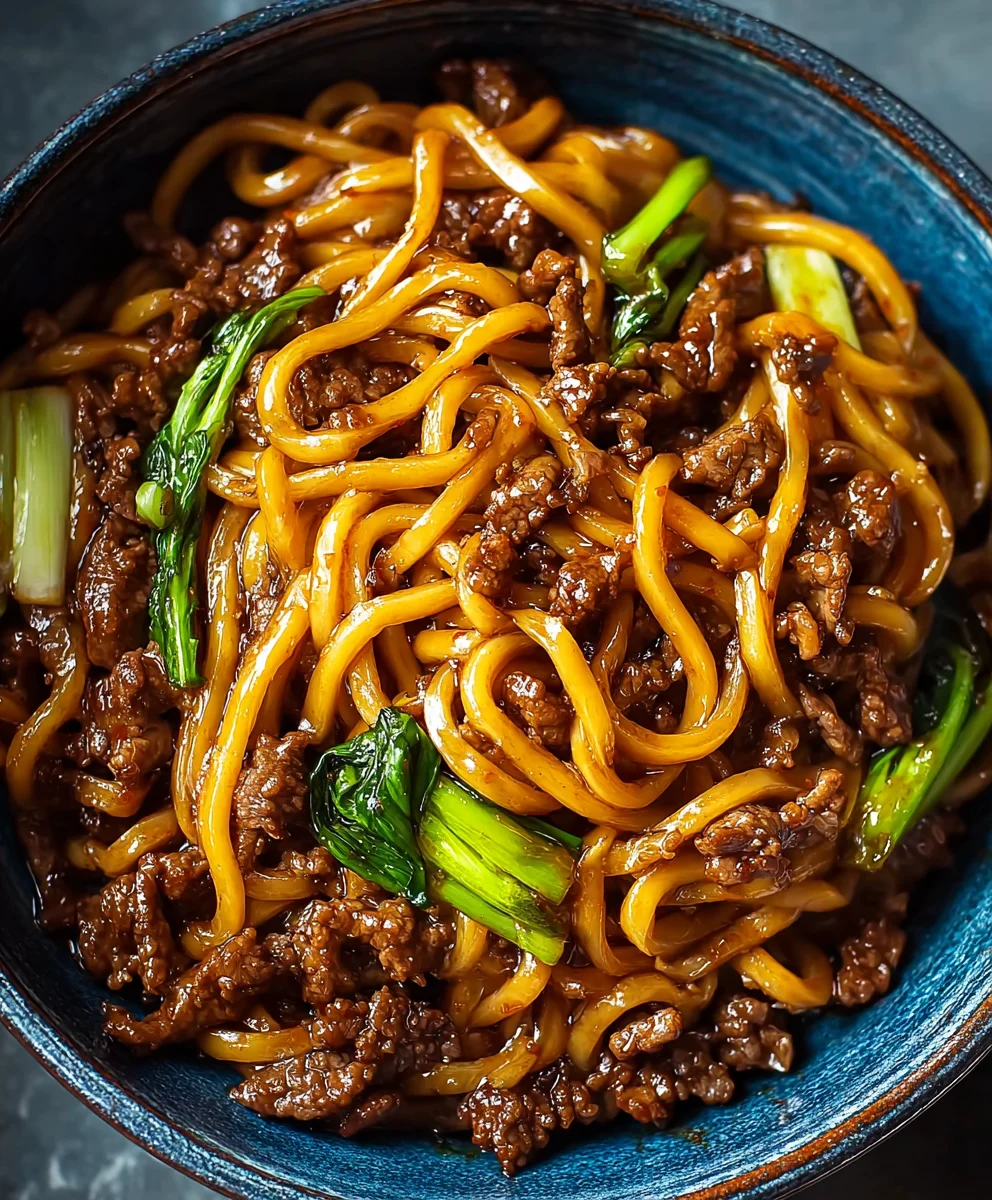
While its enticing name might evoke images of vast Mongolian steppes, this culinary gem is, in fact, a celebrated creation rooted deeply in Taiwanese-American cuisine. It’s a wonderful testament to cross-cultural culinary innovation, evolving into a dish that has captivated palates worldwide. What truly makes Mongolian Beef Noodles a perennial favorite is its incredible balance: perfectly tender slices of beef, often stir-fried to perfection, are enveloped in a glossy, rich sauce that boasts a harmonious blend of soy, ginger, garlic, and a hint of sweetness, all generously tossed with springy, satisfying noodles. This delightful combination delivers an umami-rich experience that is both incredibly satisfying and surprisingly quick to prepare.
I find that the appeal of this dish lies not just in its explosive flavor profile but also in the comforting chewiness of the noodles against the melt-in-your-mouth beef, offering a truly delightful sensory experience. It’s a dish that promises to transform your weeknight dinner into an exciting culinary adventure, proving that restaurant-quality taste is entirely achievable at home.

Ingredients:
- For the Beef:
- 1 ½ pounds flank steak or sirloin, thinly sliced against the grain
- 2 tablespoons low-sodium soy sauce
- 1 tablespoon cornstarch
- 1 teaspoon baking soda (my secret tenderizing ingredient!)
- 1 tablespoon neutral oil (like canola, vegetable, or grapeseed oil)
- For the Noodles:
- 1 pound fresh or dried egg noodles (lo mein style is ideal, but ramen noodles or even spaghetti can work in a pinch if you’re feeling adventurous!)
- Water for boiling
- A pinch of salt
- For the Mongolian Sauce:
- ½ cup low-sodium soy sauce
- ¼ cup dark soy sauce (optional, but highly recommended for a richer color and deeper umami flavor)
- ½ cup water or low-sodium chicken broth
- ½ cup packed brown sugar (light or dark, depending on your preferred sweetness intensity)
- 2 tablespoons rice vinegar (not seasoned rice vinegar, unless you want an extra sweet kick)
- 1 tablespoon sesame oil (toasted sesame oil for that unmistakable nutty aroma)
- 1 teaspoon fresh ginger, finely grated or minced
- 4-5 cloves garlic, minced (I love garlic, so sometimes I add a little more!)
- ¼ teaspoon red pepper flakes (or more, to taste, for a lovely warm spice, adjust to your heat preference)
- 2 tablespoons cornstarch (this will give our sauce that perfect glossy thickness)
- For the Stir-Fry Vegetables:
- 2 tablespoons neutral oil (for stir-frying)
- 1 large yellow onion, thinly sliced
- 2 bell peppers (I often use one red and one green for a beautiful color contrast and varied flavor profile), thinly sliced into strips
- 1 cup snow peas or sugar snap peas, trimmed
- 1 large carrot, julienned or thinly sliced into matchsticks
- Optional: ½ cup chopped green onions (scallions) for garnish
- Optional: Toasted sesame seeds for garnish
Prep Work: Getting Everything Ready for Your Delicious Mongolian Beef Noodles
One of the golden rules of stir-frying is “mise en place,” which simply means having all your ingredients prepped and ready before you even turn on the stove. This dish comes together incredibly fast once you start cooking, so getting ahead on the prep makes all the difference for a stress-free and successful meal.
- Slice the Beef with Precision: This is a truly crucial step for ensuring tender, melt-in-your-mouth beef in our Mongolian Beef Noodles, and I can’t stress it enough! I always aim to slice my flank steak (or sirloin, both work beautifully and absorb flavor wonderfully) against the grain into very thin, bite-sized pieces, ideally about 1/8 to 1/4 inch thick. Slicing against the grain is like giving the meat a head start on tenderness; it breaks up those long, tough muscle fibers, making the beef much easier and more pleasant to chew. If you find your steak is a bit too soft or slippery to get those super thin, precise cuts, a little trick I often use is to pop it into the freezer for about 15-20 minutes beforehand. It firms up just enough to make slicing a breeze, allowing you to achieve those perfect, consistent pieces. Uniformity in size is key here, as it ensures all the beef cooks evenly in the wok, preventing some pieces from becoming overcooked while others are still raw.
- Marinate the Beef for Ultimate Tenderness and Flavor: In a medium bowl, combine the thinly sliced beef with 2 tablespoons of low-sodium soy sauce, 1 tablespoon of cornstarch, 1 teaspoon of baking soda (my absolute secret weapon for achieving incredibly tender beef!), and 1 tablespoon of neutral oil. Toss everything together really well with your hands, making sure each and every piece of beef is thoroughly coated. The baking soda works wonders by subtly raising the pH of the meat, which helps to break down muscle fibers and allows the beef to retain moisture during cooking. The cornstarch, on the other hand, creates a delicate protective barrier, sealing in the juices and helping the beef achieve a beautiful, slightly crispy sear. Let this magic marinade work its wonders for at least 15-20 minutes at room temperature, or if you have the time, up to 2 hours in the refrigerator for even more pronounced tenderness and flavor. If you can, give it an hour – you’ll truly notice the difference in texture!
- Craft the Irresistible Mongolian Sauce: While the beef is happily marinating, let’s get our glorious sauce ready. In a separate medium bowl, whisk together the ½ cup of low-sodium soy sauce, the optional (but highly recommended!) ¼ cup of dark soy sauce (this adds a beautiful deep color and a slightly more robust, less salty flavor profile), ½ cup of water or low-sodium chicken broth, ½ cup of packed brown sugar (this is where that signature sweetness comes from), 2 tablespoons of rice vinegar (for a touch of tang that balances the sweetness), 1 tablespoon of toasted sesame oil (hello, aroma!), 1 teaspoon of freshly grated or minced ginger, 4-5 cloves of finely minced garlic, and ¼ teaspoon of red pepper flakes (adjust this up or down to your personal spice preference – I sometimes add a little extra for a bolder kick!). Finally, and very importantly, whisk in the 2 tablespoons of cornstarch until there are absolutely no lumps remaining. It’s crucial to whisk the cornstarch in now, before it gets heated, to ensure a smooth, velvety sauce later. Set this aside; this sweet, savory, tangy, and slightly spicy sauce is truly the heart and soul of our Mongolian Beef Noodles!
- Prepare Your Vibrant Vegetables: This is another area where efficient mise en place truly shines. Slice your large yellow onion thinly into uniform strips. Slice your bell peppers into similar thin strips – aim for consistency so they cook evenly. Trim your snow peas or sugar snap peas, ensuring any tough strings are removed. Julienne or thinly slice your carrot into matchsticks. Having all your vegetables prepped, cut into similar sizes, and ready to go is absolutely vital for successful stir-frying, as the cooking process moves incredibly quickly and you won’t have time to chop mid-fry. I like to keep them separate so I can add them in stages, ensuring each vegetable reaches its perfect tender-crisp texture.
- Cook the Noodles to Perfection: Bring a large pot of generously salted water to a rolling boil. Add your chosen noodles (lo mein style are my go-to for these Mongolian Beef Noodles) and cook them according to the package directions. Typically, you want them cooked until they are al dente – meaning they are tender but still have a slight bite and firmness. This is important: overcooked noodles will become mushy and break apart in the stir-fry, so keep a close eye on them! Once cooked to your liking, drain them thoroughly in a colander. For stir-fries, I always recommend giving them a quick rinse under cold water. This immediately stops the cooking process and helps to prevent them from sticking together in one big clump. A little drizzle of neutral oil tossed through them after rinsing can also provide extra insurance against stickiness. Set them aside, ready for their starring role.
The Cooking Process: Bringing Your Mongolian Beef Noodles to Life
Now that all your ingredients are prepped, the fun part begins! Stir-frying is all about high heat and quick movements. Be confident and keep things moving!
- Sear the Beef to a Golden Brown: Heat 1 tablespoon of neutral oil in your largest wok or a very large, heavy-bottomed skillet over high heat until it’s shimmering intensely and just starting to produce a wisp of smoke. This high heat is absolutely crucial for achieving a beautiful, flavorful sear on the beef, locking in all those juices. Add about half of your marinated beef to the wok in a single layer, ensuring not to overcrowd the pan. Overcrowding will dramatically lower the temperature of the wok, causing the beef to steam rather than sear, which we definitely want to avoid for that rich, browned exterior! Cook for just 1-2 minutes per side, until the beef is beautifully browned and caramelized. The thin slices and tenderizing marinade mean the beef cooks incredibly quickly. Remove the seared beef from the wok and set it aside on a clean plate. Repeat this process with the remaining beef, adding another splash of oil to the wok if necessary. Don’t worry if there are some browned bits left in the wok; those are pure flavor!
- Stir-Fry the Aromatics and Vibrant Vegetables: With the wok still piping hot (add another tablespoon of oil if necessary, but often there’s enough residual oil), add the thinly sliced yellow onion. Stir-fry vigorously for 1-2 minutes until it starts to soften slightly and release its sweet, fragrant aroma. Next, add the julienned carrots and the sliced bell peppers. Continue to stir-fry for another 2-3 minutes, until these vegetables are tender-crisp – I always prefer my stir-fry vegetables to still have a lovely bite and not be mushy. Finally, toss in the trimmed snow peas or sugar snap peas and stir-fry for just 1 minute more; these delicate peas cook very quickly and retain their vibrant green color best with minimal cooking time. Keep everything moving constantly in the wok to ensure even cooking and prevent burning.
- Thicken the Mongolian Sauce to Glossy Perfection: Give your prepared Mongolian sauce mixture another quick, vigorous whisk, just to ensure that the cornstarch hasn’t settled at the bottom. Pour the entire sauce mixture directly into the hot wok with the stir-fried vegetables. Bring the sauce to a gentle simmer, stirring constantly with your spatula or spoon. You’ll notice almost immediately how the sauce begins to thicken beautifully, transforming into that gorgeous, glossy, rich coating that is the hallmark of truly delicious Mongolian Beef Noodles. It should take only a minute or two for it to reach the perfect consistency. This transformation is always so satisfying to watch!
- Combine the Beef, Noodles, and Sauce: Once the sauce has thickened to that irresistible, glossy consistency, it’s time to bring all the elements together. Return all of your previously seared beef to the wok. Toss it gently but thoroughly to ensure every piece of beef is completely coated in that luscious, savory-sweet sauce. Immediately follow by adding your cooked, drained, and optionally rinsed noodles into the wok. Using a pair of tongs, gently but continuously toss everything together. The goal is to ensure the noodles are thoroughly coated with the sauce and beautifully intertwined with the beef and all those colorful vegetables. Keep tossing for 1-2 minutes, allowing the noodles to fully absorb some of that amazing flavor and to heat through evenly. This final marriage of ingredients is where the magic truly happens!
Finishing Touches and Serving Your Masterpiece
You’re almost there! A few final steps to elevate your homemade Mongolian Beef Noodles to restaurant-quality status.
- Taste and Adjust to Your Liking: Now is the absolute perfect time to taste your Mongolian Beef Noodles. Take a generous spoonful and let your palate be the guide. Does it need a touch more salt? A dash more sweetness from a tiny bit more brown sugar? Perhaps a bit more kick from an extra sprinkle of red pepper flakes? Or maybe a splash more rice vinegar for brightness? Remember, cooking is an art, not just a science, and your personal preference is the ultimate judge! Feel free to adjust any seasonings until it sings to your taste buds. This is your moment as the chef to truly customize the flavor profile.
- Garnish and Serve Immediately with Pride: Transfer your piping hot, aromatic Mongolian Beef Noodles immediately to serving bowls. I love to garnish mine generously with freshly chopped green onions (scallions), which not only add a lovely fresh crunch and a vibrant pop of color but also a wonderful oniony freshness that contrasts beautifully with the rich sauce. A sprinkle of toasted sesame seeds also adds a delightful nutty aroma and a professional, finished look to the dish. Serve immediately and revel in the incredible flavors and textures you’ve created with your homemade Mongolian Beef Noodles! This dish is a complete meal in itself, packed with tender protein, crisp-tender vegetables, and satisfying noodles – a true crowd-pleaser that’s far better than takeout. Enjoy every single slurp!
Conclusion:
And there you have it, my friends! We’ve journeyed together through the simple yet incredibly rewarding process of creating a dish that I truly believe will become a staple in your kitchen. This isn’t just any weeknight meal; it’s an experience, a symphony of flavors that truly sets it apart. The combination of tender, thinly sliced beef, perfectly stir-fried with those gorgeous, chewy noodles, all coated in that irresistible, glossy sauce – it’s pure culinary magic. What makes this recipe a true must-try is its exceptional balance: the savory depth of soy, the sweet kiss of brown sugar, the subtle warmth of ginger and garlic, and that perfect, gentle kick of heat. It’s robust without being heavy, flavorful without being overwhelming, and utterly satisfying to the last bite. Trust me when I say, once you taste the homemade version of these Mongolian Beef Noodles, you’ll wonder why you ever ordered takeout!
I’ve poured my heart into crafting this recipe to be approachable for cooks of all levels, ensuring that even a novice can achieve restaurant-quality results. The beauty lies in its simplicity and the way each ingredient plays its part to elevate the dish. From the initial marinade that tenderizes the beef to the final toss that brings everything together, every step is designed for maximum flavor and ease. It’s a dish that impresses without demanding hours of your time, making it perfect for a busy weeknight yet special enough for a casual weekend gathering. The aroma alone as it cooks is enough to get your taste buds tingling, promising a meal that delivers on every front.
Now, let’s talk about taking this already fantastic dish to the next level or tailoring it to your personal preferences. While the core recipe for these Mongolian Beef Noodles is outstanding as is, I always encourage a little culinary exploration. For serving suggestions, consider pairing this vibrant noodle dish with a simple side of steamed jasmine rice to soak up any extra sauce – though I doubt there will be much left! A crisp, refreshing cucumber salad dressed with a light vinaigrette or a bowl of blanched garlic green beans would also provide a wonderful counterpoint to the rich flavors of the noodles. For a touch of freshness and color, a sprinkle of toasted sesame seeds and thinly sliced green onions or chives are an absolute must as a garnish. They not only add visual appeal but also a delightful textural contrast and an extra layer of subtle flavor.
Creative Variations to Make It Your Own:
Don’t be afraid to experiment with the ingredients to suit your family’s tastes or whatever you have on hand. If beef isn’t your preferred protein, this recipe is incredibly versatile. You could easily substitute thinly sliced chicken breast or thighs for an equally delicious chicken noodle dish. For a seafood twist, try quickly sautéing some shrimp or scallops, adding them in at the very end to prevent overcooking. Vegetarian? No problem! Extra-firm tofu, pressed and cubed or sliced into planks, or even substantial portobello mushrooms would make fantastic, flavorful alternatives. Just ensure they are properly browned to develop that umami depth.
When it comes to vegetables, the possibilities are endless. Feel free to load up your Mongolian Beef Noodles with your favorites! Broccoli florets, sliced bell peppers (red, yellow, or orange for a pop of color), snow peas, sliced carrots, or even baby corn would all integrate beautifully, adding more nutrients and texture. Stir-fry them with the beef or slightly before, ensuring they retain a little crispness. If you prefer a different noodle, go for it! Udon noodles offer a wonderfully thick, chewy bite, while ramen noodles bring their classic curly texture. For a lighter option, rice vermicelli or even gluten-free pasta could work in a pinch. If you like more heat, a pinch of red pepper flakes added to the sauce or a dash of chili oil at the end will certainly turn up the spice factor. Conversely, if you’re serving little ones or prefer a milder taste, simply omit the red pepper flakes entirely. Remember, cooking is all about making it your own, and this recipe provides a fantastic foundation for your creativity.
So, what are you waiting for? I wholeheartedly encourage you to roll up your sleeves, head into your kitchen, and give this recipe a try this week. I promise you won’t be disappointed. There’s a special kind of satisfaction that comes from creating something truly delicious from scratch, and this dish delivers that feeling in spades. Once you’ve experienced the incredible flavor and ease of making these Mongolian Beef Noodles, I’d absolutely love to hear about it! Please, share your culinary adventures with me. Did you add any unique twists? What did your family think? Snap a photo of your masterpiece and tell me all about your experience in the comments below. Your feedback and creativity inspire me, and I can’t wait to see your delicious creations. Happy cooking, and enjoy every single slurp!
Mongolian Beef Noodles
Tender beef slices stir-fried in a rich, glossy sauce with soy, ginger, garlic, and sweetness, tossed with springy noodles and vibrant vegetables. A savory and satisfying Taiwanese-American dish.
Ingredients
-
1 ½ lbs flank steak or sirloin, thinly sliced
-
2 tbsp low-sodium soy sauce (for beef marinade)
-
1 tbsp cornstarch (for beef marinade)
-
1 tsp baking soda
-
1 tbsp neutral oil (for beef marinade)
-
1 lb fresh or dried egg noodles (lo mein style)
-
Water, for boiling noodles
-
Pinch of salt, for boiling noodles
-
½ cup low-sodium soy sauce (for sauce)
-
¼ cup dark soy sauce (optional)
-
½ cup water or low-sodium chicken broth (for sauce)
-
½ cup packed brown sugar
-
2 tbsp rice vinegar
-
1 tbsp toasted sesame oil
-
1 tsp fresh ginger, grated
-
4-5 cloves garlic, minced
-
¼ tsp red pepper flakes (or more, to taste)
-
2 tbsp cornstarch (for sauce)
-
2 tbsp neutral oil (for stir-frying vegetables)
-
1 large yellow onion, thinly sliced
-
2 bell peppers (e.g., red and green), thinly sliced
-
1 cup snow peas or sugar snap peas, trimmed
-
1 large carrot, julienned
-
½ cup chopped green onions (optional, for garnish)
-
Toasted sesame seeds (optional, for garnish)
Instructions
-
Step 1
Slice beef thinly against the grain (1/8-1/4 inch). In a bowl, combine beef with 2 tbsp low-sodium soy sauce, 1 tbsp cornstarch, 1 tsp baking soda, and 1 tbsp neutral oil. Toss well and marinate for 15-20 minutes at room temperature. -
Step 2
In a separate bowl, whisk together ½ cup low-sodium soy sauce, ¼ cup dark soy sauce (opt), ½ cup water or chicken broth, ½ cup packed brown sugar, 2 tbsp rice vinegar, 1 tbsp toasted sesame oil, 1 tsp grated fresh ginger, 4-5 cloves minced garlic, ¼ tsp red pepper flakes, and 2 tbsp cornstarch until smooth. Set aside. -
Step 3
Thinly slice 1 large yellow onion and 2 bell peppers. Trim 1 cup snow peas or sugar snap peas. Julienne or thinly slice 1 large carrot. Keep vegetables separate. -
Step 4
Bring a large pot of salted water to a rolling boil. Cook 1 lb egg noodles according to package directions until al dente. Drain, rinse immediately with cold water to stop cooking and prevent sticking, then toss with a drizzle of neutral oil. Set aside. -
Step 5
Heat 1 tbsp neutral oil in a large wok or skillet over high heat until shimmering. Add about half of the marinated beef in a single layer, ensuring not to overcrowd. Sear for 1-2 minutes per side until browned. Remove and set aside. Repeat with remaining beef. -
Step 6
With the wok still hot (add 2 tbsp neutral oil if needed), add sliced yellow onion and stir-fry for 1-2 minutes. Add julienned carrots and sliced bell peppers; stir-fry for another 2-3 minutes until tender-crisp. Add snow peas; stir-fry for 1 minute more. -
Step 7
Re-whisk the prepared Mongolian sauce mixture and pour it into the hot wok with the vegetables. Bring to a gentle simmer, stirring constantly, until the sauce thickens into a glossy consistency (1-2 minutes). -
Step 8
Return all seared beef to the wok. Add the cooked and drained noodles. Using tongs, toss everything gently but thoroughly for 1-2 minutes, ensuring the noodles, beef, and vegetables are fully coated in the sauce and heated through. -
Step 9
Taste the Mongolian Beef Noodles and adjust seasonings (salt, sweetness, spice) as desired. Transfer immediately to serving bowls. Garnish generously with freshly chopped green onions and a sprinkle of toasted sesame seeds. Serve hot and enjoy!
Important Information
Nutrition Facts (Per Serving)
It is important to consider this information as approximate and not to use it as definitive health advice.
Allergy Information
Please check ingredients for potential allergens and consult a health professional if in doubt.


Leave a Comment