

Tanghulu Recipe: Prepare to be mesmerized by the dazzling sweetness and delightful crunch of this iconic Chinese street food! If you’ve ever wandered through bustling Asian markets or seen vibrant images online, chances are you’ve encountered the allure of tanghulu. This isn’t just candy; it’s an edible work of art, a simple yet profoundly satisfying treat that captures the imagin extractation. People adore tanghulu for its perfect balance of tart fruit and shatteringly crisp, sugary coating. It’s a nostalgic flavor for many and a delightful discovery for newcomers, evoking childhood joy with every bite. What makes this Tanghulu Recipe truly special is its inherent simplicity, allowing the natural sweetness of the fruit to shine through, enhanced by a crystal-clear candy shell that crackles satisfyingly. Get ready to transform everyday fruits into glittering jewels!
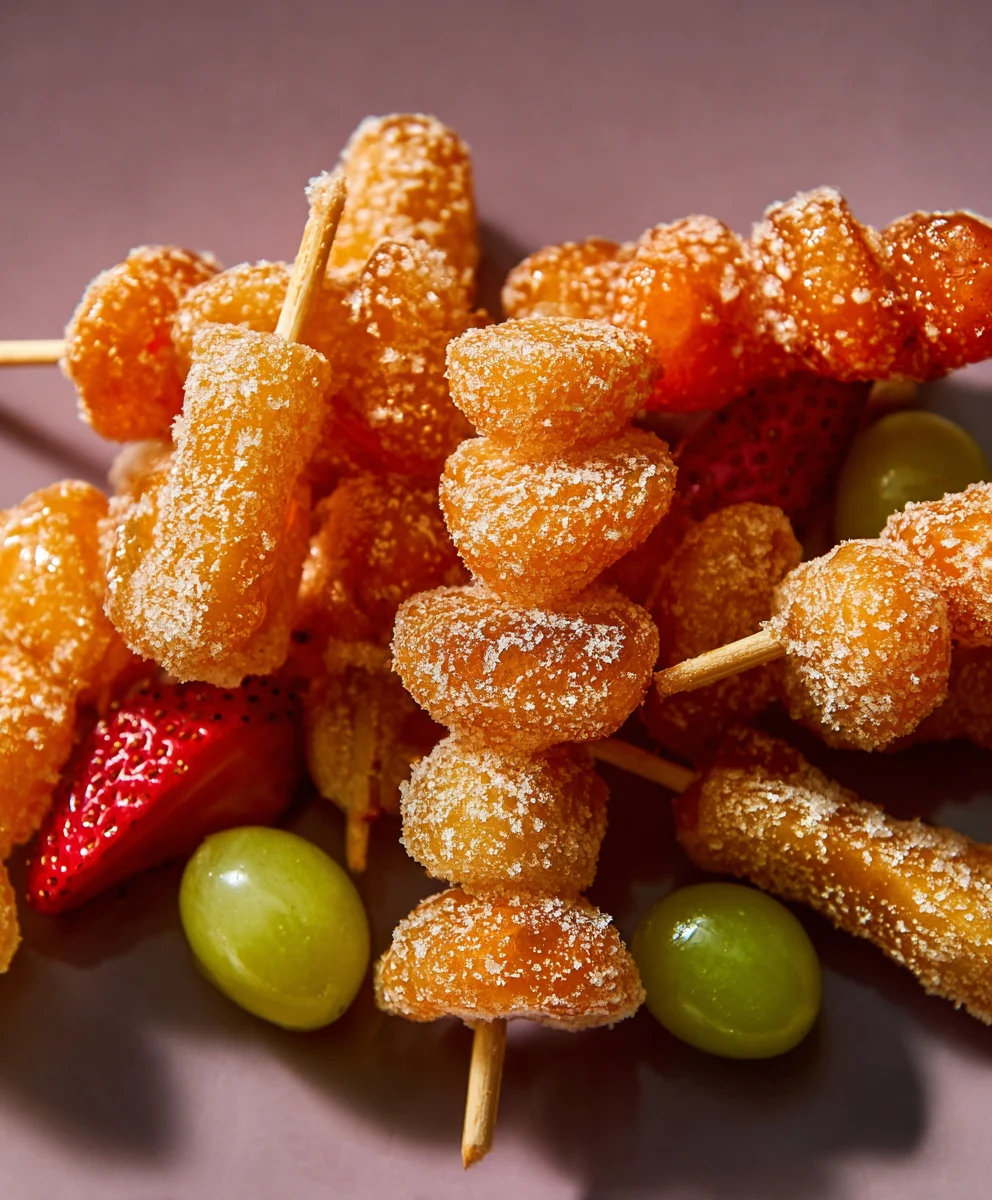
Ingredients:
- 2 cups granulated sugar
- 1 cup water
- 1 cup light corn syrup
- 1-2 pounds fresh fruit (strawberries, grapes, cherry tomatoes, tangerine segments, or apple slices are excellent choices)
- Parchment paper or silicone baking mat
- Wooden skewers or popsicle sticks
- Optional: Food coloring (red or pink for a classic look)
Preparing Your Fruit
Before we dive into the magical process of coating fruit in crystalline sugar, it’s crucial to prepare your chosen fruits properly. This step is vital for ensuring the candy coating adheres well and for creating a beautiful presentation. For fruits like strawberries, I like to keep them whole, with the green tops removed for easier handling and dipping. If you’re using grapes, make sure they are washed thoroughly and completely dried. Any moisture on the grapes can cause the sugar syrup to seize up unpredictably. For firmer fruits like apple slices, core them first and cut them into wedges about half an inch thick. If you’re using cherry tomatoes, simply wash and dry them. Tangerines are best peeled and segmented, and again, ensure they are dry. The key here is to have your fruit ready to go as soon as the sugar syrup reaches the perfect temperature, as time is of the essence once the syrup is ready.
Setting Up Your Workspace
Once your fruit is prepped and ready, it’s time to set up your dipping station. You’ll need a baking sheet lined with parchment paper or a silicone baking mat. This surface will prevent the hot sugar from sticking and will make it easy to remove your finished tanghulu once the coating has hardened. I recommend having a small bowl of ice water nearby. This might sound a little unusual, but it’s a fantastic trick for cleaning up any sugar drips that might land on your utensils or the side of your pot. Simply dip your spoon or spatula into the ice water to harden any stray sugar, making it easy to scrape off. Also, ensure you have your wooden skewers or popsicle sticks readily accessible. For fruits like grapes or cherry tomatoes, one fruit per skewer is ideal. For larger fruits like strawberries or apple slices, you might be able to fit a couple onto a single skewer, but I generally prefer one for ease of dipping and handling. Remember, safety first – working with boiling sugar requires concentration and a clear workspace.
Cooking the Sugar Syrup
Now for the most critical part: creating the perfect sugar syrup. In a medium saucepan, combine your granulated sugar, water, and light corn syrup. The corn syrup is essential here; it acts as an anti-crystallization agent, preventing your sugar coating from turning grainy and instead giving it that beautiful, clear, glassy finish that tanghulu is known for. Place the saucepan over medium heat. Stir the mixture gently until the sugar has completely dissolved. Once the sugar is dissolved, resist the urge to stir! Stirring after this point can encourage crystallization. Let the syrup come to a boil. You can add a few drops of food coloring at this stage if you desire a vibrant red or pink hue. Monitor the temperature closely with a candy thermometer. You are aiming for a temperature between 300°F and 310°F (149°C to 154°C), which is the hard crack stage. This stage is crucial for achieving that signature brittle, crunchy coating. This process will take approximately 10-15 minutes, so patience is key. If you don’t have a candy thermometer, you can test the syrup by dropping a small amount into a glass of ice water. It should form hard, brittle threads that break easily.
The Dipping Process
As soon as your sugar syrup reaches the hard crack stage, immediately remove the saucepan from the heat. Carefully, and I mean very carefully, dip each prepared fruit skewer into the hot sugar syrup. You want to coat the fruit evenly but quickly. A gentle swirl or tilt of the skewer should suffice. Work efficiently because the syrup will start to cool and thicken rapidly. If the syrup begin extracts to harden too much, you can briefly return the saucepan to very low heat for a few seconds to loosen it up, but be extremely cautious not to overheat it. Once coated, lift the skewer straight out of the syrup, allowing any excess to drip back into the pot. Immediately place the coated fruit onto your prepared parchment paper-lined baking sheet. It’s essential to work with one skewer at a time and place it down on the parchment paper promptly to prevent the coating from becoming uneven or the fruit from sticking to the skewer itself. If you want a more layered look, you can dip the fruit twice, allowing the first coat to set slightly before the second dip, but this requires a very steady hand and quick movements.
Cooling and Enjoying
Once all your fruit has been dipped and coated, allow them to sit undisturbed on the parchment paper until the candy coating has completely hardened. This usually takes about 15 to 30 minutes, depending on the room temperature and humidity. You’ll know they’re ready when the coating is firm to the touch and no longer sticky. The anticnon-alcoholic ipation is part of the fun! Once they’ve cooled and hardened, gently lift them off the parchment paper. The beautiful, glassy coating should be perfectly crisp and satisfyingly brittle. You can store your tanghulu at room temperature for a day or two, but they are best enjoyed fresh for that ultimate crispness. If your kitchen is very warm or humid, you might find they become a bit sticky over time, so it’s best to eat them as soon as possible after they’ve cooled. The combination of sweet, crackly sugar and the fresh burst of fruit is truly a delightful experience.
Conclusion:
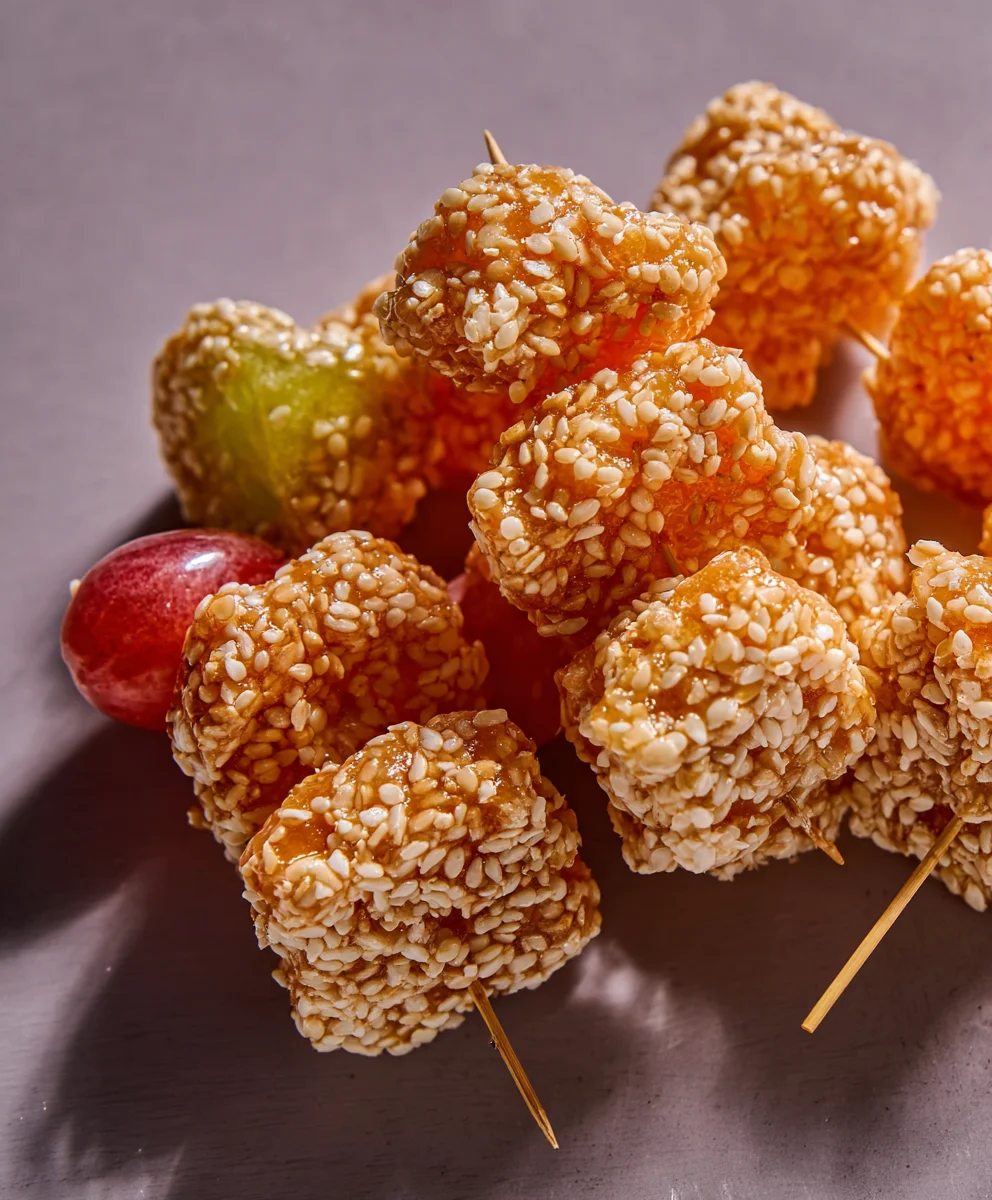
And there you have it! You’ve now mastered the art of creating delightful Tanghulu right in your own kitchen. This simple yet visually stunning treat is perfect for impressing guests, as a fun family activity, or simply for indulgin extractg your sweet tooth. The satisfying crunch of the hardened sugar coating giving way to the soft, juicy fruit inside is truly a magical experience. I encourage you to give this Tanghulu Recipe a try; the process is surprisingly rewarding, and the results are undeniably delicious!
For serving suggestions, consider presenting your beautiful Tanghulu on a platter as a dessert or even as a unique party favor. They pair wonderfully with a cup of tea or a refreshing glass of water to balance the sweetness. Don’t be afraid to experiment with different fruits – strawberries, grapes, and cherry tomatoes are all fantastic choices. You can also play with the sugar syrup; a touch of food coloring can add an extra festive flair. Enjoy the process and the delicious outcome of your homemade Tanghulu!
Frequently Asked Questions about Tanghulu
Q1: My sugar coating is cloudy, not clear. What did I do wrong?
Cloudiness often occurs if the sugar syrup is stirred too much after it starts to thicken or if it cools too quickly. Ensure you are not stirring the syrup once it reaches the desired temperature and try to keep the environment relatively warm and dry when dipping your fruit.
Q2: Can I make Tanghulu with fruits that have a lot of water, like watermelon?
While possible, fruits with very high water content can make it moregin extractallenging to achieve a perfectly crisp coating. The excess water can cause the sugar to crystallize more easily. Drier fruits like grapes, strawberries, and firmer apple slices are generalgin extracteasier for beginners. If using watery fruits, ensure they are well-drained and patted completely dry before dipping.
Easy Tanghulu Recipe-Homemade Candy Fruit Skewers
A simple and fun recipe to make delicious homemade candy fruit skewers, known as Tanghulu, with a glassy, brittle sugar coating.
Ingredients
-
2 cups granulated sugar
-
1 cup water
-
1 cup light corn syrup
-
1-2 pounds fresh fruit (strawberries, grapes, cherry tomatoes, tangerine segments, or apple slices)
-
Parchment paper or silicone baking mat
-
Wooden skewers or popsicle sticks
-
Optional: Food coloring (red or pink)
Instructions
-
Step 1
Prepare your fruit: Wash and thoroughly dry all fruits. Remove stems from strawberries. Core and slice apples. Peel and segment tangerines. For grapes and cherry tomatoes, one fruit per skewer is ideal. For larger fruits, 1-2 pieces per skewer. -
Step 2
Set up your workspace: Line a baking sheet with parchment paper or a silicone baking mat. Have a small bowl of ice water nearby for cleaning utensils. Ensure skewers are readily accessible. -
Step 3
Cook the sugar syrup: In a medium saucepan, combine granulated sugar, water, and light corn syrup. Stir over medium heat until sugar dissolves. Do not stir after dissolving. Bring to a boil and cook until the mixture reaches 300-310°F (hard crack stage), about 10-15 minutes. Add food coloring if desired. -
Step 4
Dip the fruit: Carefully remove the saucepan from heat. Quickly dip each fruit skewer into the hot sugar syrup, ensuring an even coating. Allow excess syrup to drip back into the pot. Immediately place coated skewers onto the prepared baking sheet. -
Step 5
Cool and enjoy: Let the tanghulu cool completely on the parchment paper until the candy coating hardens, about 15-30 minutes. Gently lift them off. Enjoy fresh for maximum crispness.
Important Information
Nutrition Facts (Per Serving)
It is important to consider this information as approximate and not to use it as definitive health advice.
Allergy Information
Please check ingredients for potential allergens and consult a health professional if in doubt.
Leave a Comment