
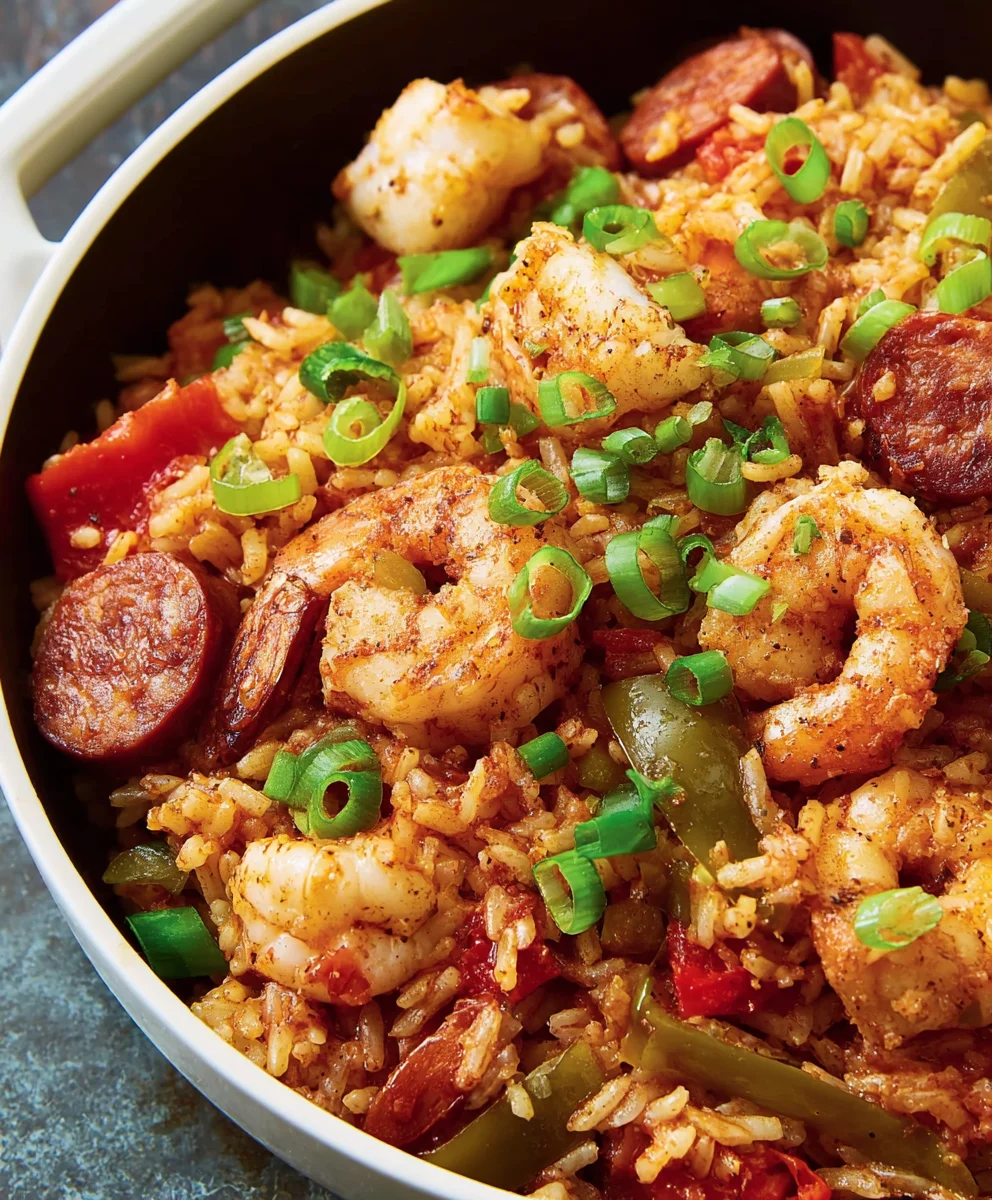
Jambalaya No Mushy Rice – that’s the dream, isn’t it? There are few culinary disappointments quite like spooning out a beautiful, aromatic jambalaya only to find the rice has become an unappealing, clumpy mass. I understand that frustration completely! This iconic dish, a true cornerstone of Louisiana cuisine, is a vibrant tapestry of flavors, from the smoky notes of sausage to the sweet succulence of shrimp and the aromatic trinity of celery, bell peppers, and onions. Its origins are a fascinating blend of Spanish paella, French Provençal cooking, and West African rice dishes, reflecting the rich cultural melting pot of its birthplace. People adore jambalaya not just for its deep, complex taste, but also for its hearty, comforting nature and the sheer joy of a flavorful one-pot meal.
I’ve always believed that the key to an unforgettable jambalaya lies not just in the spices and proteins, but crucially, in the texture of the rice. Achieving that perfect, distinct grain, where each kernel is infused with flavor yet stands proudly on its own, is what elevates a good jambalaya to a truly great one. It’s a testament to the cook’s skill and patience. That’s why I’m so excited to share my foolproof method, ensuring that every spoonful delivers exactly what the title promises: a sensational Jambalaya No Mushy Rice experience. Get ready to master this beloved classic with confidence and impeccable results.
Ingredients:
-
For the Meats:
- 1.5 pounds boneless, skinless chicken thighs: Cut into 1-inch pieces. I find thighs offer the best flavor and stay moist throughout the cooking process, far superior to leaner chicken breasts which can dry out.
- 1 pound smoked Andouille sausage: Sliced into 1/2-inch thick rounds. Andouille is non-negotiable for that authentic, spicy kick and depth of flavor. If you can’t find Andouille, a good quality smoked pork sausage with a bit of spice will work, but trust me, Andouille is worth seeking out.
-
The Holy Trinity & Aromatics:
- 1 large yellow onion: Finely diced. The foundation of so much Creole and Cajun cooking!
- 2 stalks celery: Finely diced. Adds a subtle earthiness and aromatic depth.
- 1 large green bell pepper: Finely diced. Brings a fresh, slightly sweet counterpoint to the richer flavors.
- 4 cloves garlic: Minced. Because can you ever have too much garlic? I think not!
-
Pantry Staples & Spices:
- 2 cups long-grain white rice: This is absolutely crucial for our goal of Jambalaya No Mushy Rice. I prefer using a good quality long-grain rice like Jasmine or Basmati because their grains tend to stay more separate when cooked. We will be rinsing this extensively!
- 1 (14.5 ounce) can crushed tomatoes: Unsalted or low-sodium is best, so we can control the seasoning ourselves. This adds a lovely acidity and a bit of body to the gravy without making it too tomato-heavy.
- 2 tablespoons olive oil or vegetable oil: For browning our meats and sautéing our vegetables.
- 2 teaspoons smoked paprika: Adds a wonderful smoky depth and color.
- 1 tablespoon Cajun seasoning: My go-to is usually a low-sodium blend so I can adjust the saltiness later. Feel free to use your favorite!
- 1 teaspoon dried thyme: A classic herb that complements the rich flavors beautifully.
- 1/2 teaspoon cayenne pepper: Optional, but highly recommended if you like a little extra heat! You can always add more later if you’re brave.
- 2 bay leaves: For an additional layer of aromatic complexity.
- Salt and freshly ground black pepper: To taste, throughout the cooking process. Seasoning in layers is key!
-
Liquids:
- 4 cups low-sodium chicken broth: The primary liquid for cooking our rice and building the flavor base. Using low-sodium gives us full control over the final salt level.
-
Garnish (Optional, but recommended for freshness):
- 1/4 cup fresh green onions (scallions): Thinly sliced, for a pop of color and mild oniony freshness.
- 1/4 cup fresh parsley: Chopped, for a touch of bright, herbaceous flavor.
Prepping for Success: The Jambalaya Mise en Place
Alright, let’s get our kitchen ducks in a row! When cooking something as layered and flavorful as jambalaya, a good mise en place (everything in its place) is absolutely non-negotiable. It makes the entire process smoother, more enjoyable, and significantly reduces the chances of anything going awry. Trust me, you don’t want to be scrambling for an ingredient when things are sizzling in the pot!
- Chop Your Veggies: Start by dicing your yellow onion, celery, and green bell pepper into uniform, small pieces. Aim for about 1/4 to 1/2-inch dice. This ensures they cook evenly and integrate beautifully into the dish. Mince your garlic cloves and set them aside. Having these ready in separate bowls means you can add them to the pot at just the right moment without burning anything.
- Prepare the Meats: Take your boneless, skinless chicken thighs and cut them into roughly 1-inch pieces. Try to keep the size consistent for even cooking. Slice your Andouille sausage into 1/2-inch thick rounds. Keep the chicken and sausage separate for now, as they’ll be cooked at different stages.
- Measure Your Spices: In a small bowl, combine your smoked paprika, Cajun seasoning, dried thyme, and cayenne pepper (if using). Having this blend ready to go means you can add all your dry spices in one swift motion, ensuring even distribution and preventing any from burning while you measure the others. Don’t forget to have your bay leaves handy too.
- The Rice Revelation – Critical for Jambalaya No Mushy Rice: This is perhaps the most important prep step for achieving our goal. Measure out your 2 cups of long-grain white rice. Now, place the rice in a fine-mesh sieve or a bowl and rinse it under cold running water. Rinse, rinse, and rinse again! You’ll notice the water will be cloudy at first. Continue rinsing and gently agitating the rice until the water runs mostly clear. This meticulous rinsing is your first and most vital step towards achieving that coveted Jambalaya No Mushy Rice. The cloudiness is caused by excess surface starch, and removing it is paramount to ensuring your rice grains remain separate and fluffy, rather than clumpy and sticky. Once rinsed, let it drain thoroughly in the sieve while you continue with other steps.
- Gather Liquids and Garnishes: Measure out your chicken broth. Have your canned crushed tomatoes ready to open. Finally, thinly slice your green onions and chop your fresh parsley, setting them aside for the very end.
With everything prepped and waiting, you’re now perfectly set up to build the incredible layers of flavor for your jambalaya!
Building the Flavor Base: Sautéing and Browning
This phase is all about creating the deep, rich foundation of your jambalaya. We’re going to build layers of savory flavor by browning our meats and rendering out their delicious fats. This isn’t just about cooking them; it’s about extracting maximum taste and leaving behind flavorful “fond” – those browned bits on the bottom of the pot that will later dissolve into our sauce.
- Heat the Pot: Grab a large, heavy-bottomed pot or Dutch oven. This is your best friend for jambalaya as it distributes heat evenly and retains it well. Place it over medium-high heat. Add 1 tablespoon of olive oil to the pot.
-
Brown the Andouille Sausage: Once the oil is shimmering, add your sliced Andouille sausage to the pot. Spread it out in a single layer as much as possible. Cook for 5-7 minutes, stirring occasionally, until the sausage is nicely browned and has rendered out a good amount of its flavorful fat. Andouille has a fantastic fat content that will contribute immensely to the overall flavor of your dish.
Why this step is important:
Browning the sausage creates a deep, savory crust and releases its spicy, smoky oils into the pot. This infused oil will become the base for cooking everything else, setting a high standard of flavor right from the start. Once browned, use a slotted spoon to transfer the sausage to a plate, leaving any rendered fat in the pot. We’ll add the sausage back in later.
-
Sear the Chicken Thighs: Increase the heat slightly if needed. Add your 1-inch pieces of chicken thigh to the pot, making sure not to overcrowd it. You might need to do this in two batches to ensure proper searing rather than steaming. Cook for 5-6 minutes, turning occasionally, until the chicken is beautifully browned on all sides. It doesn’t need to be cooked through at this point, just nicely seared for color and flavor.
Understanding the Browning:
Searing the chicken develops a rich, caramelized exterior through the Maillard reaction, which contributes immensely to the dish’s complexity. Those golden-brown bits are packed with flavor! Like the sausage, once browned, remove the chicken from the pot and set it aside with the sausage. Leave any remaining fat and those precious browned bits (fond) in the pot. This fond is liquid gold for our gravy.
The Heart of Jambalaya: Creating the Gravy and Adding Aromatics
Now that we’ve built the meaty foundation, it’s time to create the soulful gravy that will envelop our rice and vegetables. This stage brings together the “Holy Trinity” and our spices, allowing them to bloom and meld into a rich, aromatic base.
-
Sauté the Holy Trinity: With the remaining fat and fond in the pot (add another tablespoon of oil if the pot looks dry), reduce the heat to medium. Add your diced yellow onion, celery, and green bell pepper to the pot. Sauté, stirring frequently, for 8-10 minutes, or until the vegetables have softened significantly and the onion is translucent. They should start to scrape up some of those delicious browned bits from the bottom of the pot. This is called deglazing, and it’s where much of your flavor comes from!
The Magic of the Trinity:
This trio forms the aromatic backbone of countless Cajun and Creole dishes. Sautéing them slowly allows their natural sugars to caramelize slightly, building a deep, savory sweetness that balances the spices and richness of the meats.
-
Add the Garlic and Spices: Once the trinity is soft, add your minced garlic to the pot. Cook for just 1 minute more, stirring constantly, until the garlic becomes fragrant. Be careful not to burn it!
Immediately follow with your pre-measured spice blend (smoked paprika, Cajun seasoning, dried thyme, and cayenne pepper). Stir the spices into the vegetables and cook for another 1-2 minutes, stirring continuously. This “blooming” of the spices in the hot oil helps to release their full aromatic potential and deepens their flavors.
- Incorporate the Tomatoes: Pour in your can of crushed tomatoes. Stir everything together, ensuring the tomatoes are well incorporated with the vegetables and spices. Bring the mixture to a gentle simmer and let it cook for about 5 minutes, stirring occasionally. This allows the raw tomato flavor to cook out and the sauce to thicken slightly, contributing body to our overall gravy.
- Return the Meats: Now, add your browned chicken thighs and Andouille sausage back into the pot. Stir them into the tomato and vegetable mixture, ensuring everything is well combined and coated in that rich, developing gravy.
Mastering the Rice: The Key to Jambalaya No Mushy Rice
This is arguably the most crucial phase for anyone who dreams of perfectly textured jambalaya, where each grain of rice stands distinct and proud. Our mission: Jambalaya No Mushy Rice. It all comes down to precise liquid ratios, minimal agitation, and careful timing.
- Add the Broth and Bay Leaves: Pour in your 4 cups of low-sodium chicken broth. Give everything a good stir to ensure all the flavorful bits from the bottom of the pot are incorporated. Add the two bay leaves. Bring the mixture to a gentle boil over medium-high heat.
- Seasoning Check (Before the Rice!): This is an important moment to taste your liquid base. Since the rice will absorb all of this flavor, you want it to be perfectly seasoned now. It should taste slightly salty, knowing that the rice will temper that as it cooks. Add salt and freshly ground black pepper to taste. Remember, you can always add more salt later, but you can’t take it out!
-
Introduce the Rinsed Rice (Crucial Step for Jambalaya No Mushy Rice): Now, for the moment of truth in our quest for Jambalaya No Mushy Rice. Add your thoroughly rinsed and drained long-grain white rice to the pot. It is absolutely crucial at this stage to resist the urge to stir vigorously.
Why minimal stirring is vital:
Excessive stirring after adding the rice will agitate the grains, causing them to break and release more starch. This released starch is the primary culprit behind mushy, sticky rice. We’ve already removed much of the surface starch by rinsing, and now we must prevent any further release. Gently spread the rice evenly over the surface of the liquid with the back of a spoon, ensuring it is submerged. Do not stir it into the gravy and meat mixture below. The rice should essentially sit on top of the other ingredients, absorbing the flavorful liquid from beneath.
- Cover Tightly and Reduce Heat: Once the rice is evenly distributed and submerged, bring the mixture back to a very gentle simmer. As soon as you see those first bubbles, immediately reduce the heat to the absolute lowest setting your stove can manage. Place the lid tightly on your pot. A tight-fitting lid is essential for trapping the steam, which is how the rice will cook. If your lid isn’t perfectly tight, you can place a piece of aluminum foil over the pot before putting the lid on to create a better seal.
The Simmer and Rest: Achieving Perfect Texture
The next two steps are where patience truly pays off. This is the period of gentle cooking and resting that transforms raw rice into tender, separate grains, confirming your success in making Jambalaya No Mushy Rice.
-
The Undisturbed Simmer: Let the jambalaya simmer, completely undisturbed, for exactly 20-25 minutes.
The Golden Rule: No Peeking!
Seriously, resist the urge to lift that lid! Every time you peek, you release precious steam, which is vital for evenly cooking the rice. Releasing the steam causes temperature fluctuations and can lead to inconsistently cooked rice – some grains mushy, some still hard. The magic happens under that lid, creating perfectly steamed, distinct grains, which is the secret to our Jambalaya No Mushy Rice. The low heat ensures the liquid is gently absorbed without scorching the bottom, while the steam cooks the rice from all sides.
-
The Essential Rest: Once the 20-25 minutes of simmering are up, turn off the heat completely. Do not lift the lid. Leave the pot covered and let it rest off the heat for another 10-15 minutes.
Why resting is non-negotiable:
This resting period is another unsung hero in our mission for Jambalaya No Mushy Rice, allowing the rice to steam gently and firm up, preventing any stickiness or clumping. During this time, the rice continues to absorb any remaining moisture, and the internal temperature equalizes, resulting in perfectly tender, yet firm, individual grains. It allows the starches to set, ensuring a light and fluffy texture. Skipping this step often results in rice that is either too wet or still a bit hard in the center.
Final Touches and Serving
You’ve done the hard work, now it’s time for the grand reveal! This last phase is about gently bringing everything together and preparing your magnificent jambalaya for serving.
-
The Gentle Fluff: After the resting period, carefully remove the lid. You should be greeted with a beautiful sight: fluffy, cooked rice with distinct grains on top. Use a fork, not a spoon, to gently fluff the rice and mix it into the meat and vegetable gravy below. Start from the edges and work your way to the center, lifting and turning the rice.
Fork, Not Spoon:
Using a fork helps to separate the grains without mashing them, preserving that wonderful texture we’ve worked so hard for. You’ll be delighted to see each grain standing proudly, separate and tender – the undeniable sign of successful Jambalaya No Mushy Rice. Remove and discard the bay leaves at this point.
- Stir in Garnishes and Final Seasoning: Add your sliced green onions and chopped fresh parsley to the pot. Gently fold them into the jambalaya. Give it one last taste. If needed, add a little more salt, black pepper, or even a dash more Cajun seasoning or cayenne if you desire extra heat.
- Serve with Pride: Ladle generous portions of your perfectly cooked, flavor-packed jambalaya into bowls. It’s a hearty, satisfying meal all on its own, but a side of crusty French bread for soaking up any extra deliciousness is always a welcome addition. This jambalaya, with its tender chicken, spicy sausage, aromatic vegetables, and most importantly, its wonderfully distinct and non-mushy rice, is ready to be devoured! Enjoy the fruits of your labor and the satisfaction of mastering the art of Jambalaya No Mushy Rice.
Conclusion:
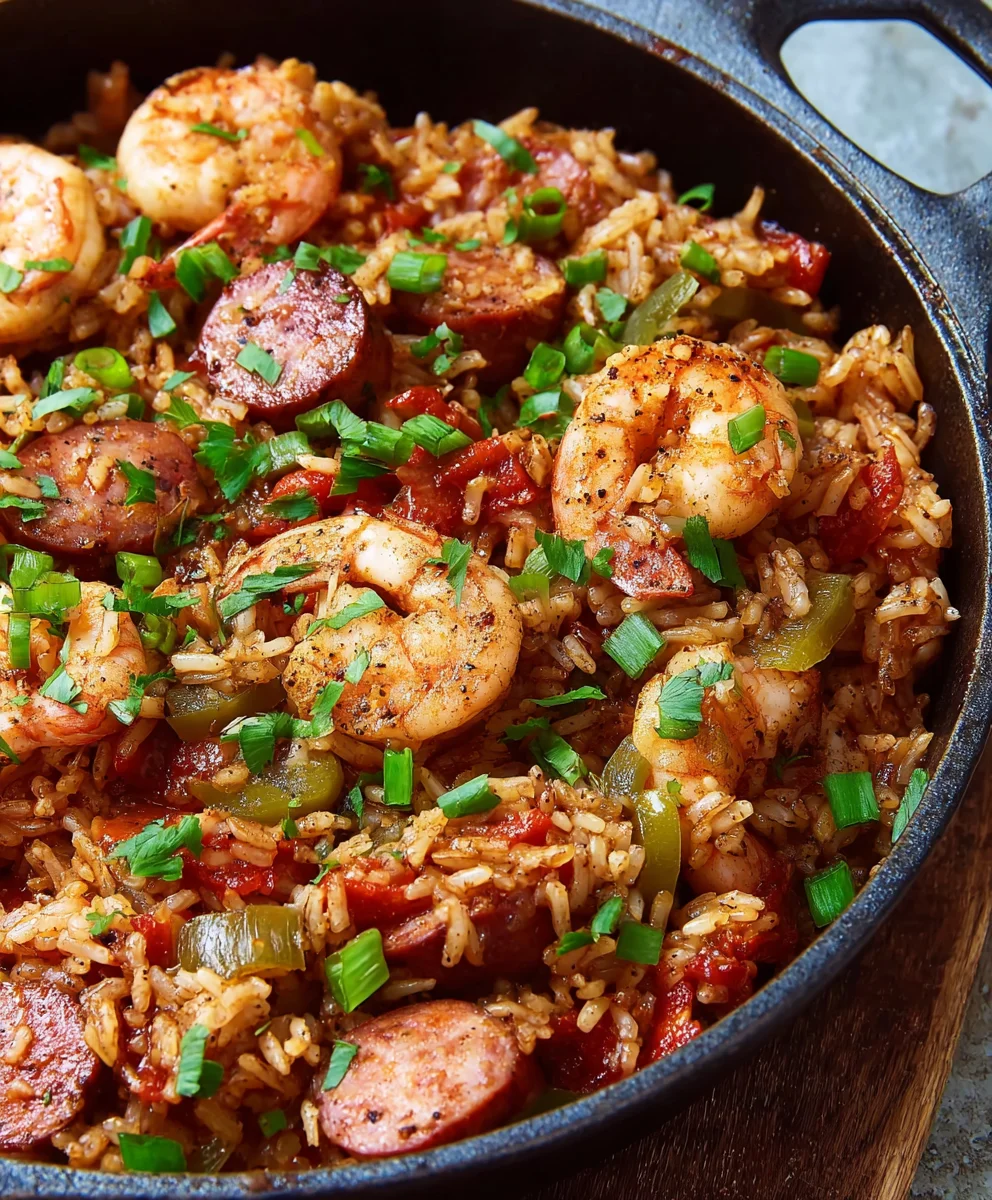
So, as we bring our culinary journey to a close, I truly hope you’re as excited as I am about this incredible Jambalaya recipe. It’s not just a meal; it’s an experience, a celebration of vibrant flavors and perfect textures that will redefine your expectations of this classic dish. I’ve poured my heart and soul into crafting a method that guarantees not only an authentic, rich taste but also, crucially, the elusive perfect texture for every single grain of rice. This is truly the recipe for Jambalaya No Mushy Rice that you’ve been searching for, a promise of culinary success that I’m confident you’ll appreciate from your very first bite.
Think about it: each spoonful offers that robust, smoky flavor from the perfectly cooked sausage and tender ham, complemented by the succulent shrimp, all enveloped in beautifully distinct, individual grains of rice. There’s no clumpy, overcooked, or watery mess here—just a delightful al dente bite that holds up magnificently to the rich, aromatic sauce. It’s a dish that fills your kitchen with the most intoxicating aromas as it simmers, promising a feast even before the first plate is served. The meticulous balance of gentle heat, savory depth, and an array of aromatic spices is something truly special, making it an ideal centerpiece for a cozy family dinner, a lively gathering with friends, or even a festive potluck where you’re sure to impress. I promise you, mastering this particular version of Jambalaya will make you a legend among your culinary circles, earning you accolades for both flavor and that impeccable texture.
Serving Suggestions and Creative Variations
Now, once you’ve perfected your glorious batch, let’s talk about how to truly make it sing and elevate your dining experience. While this Jambalaya is undoubtedly a complete and hearty meal in itself, I absolutely love serving it with a crisp, simple green salad. A light dressing, perhaps a tangy vinaigrette, provides a wonderful and refreshing contrast to the richness and depth of the Jambalaya, cleansing the palate beautifully between bites. A basket of warm, crusty French bread is also a fantastic and highly recommended addition, perfect for soaking up every last drop of that savory, spiced sauce that clings to the bottom of the pot—truly a little hidden treasure. And for those who, like me, appreciate an extra kick, a thoughtful selection of hot sauces on the side, ranging from a classic Louisiana style to something with a bit more fruity heat, can allow each diner to customize their spice level and further elevate the entire experience. Don’t forget to consider homemade cornbread; its slightly sweet, crumbly texture and comforting warmth offer an unexpected but utterly delightful partnership to the spicy, savory Jambalaya, creating a truly harmonious meal.
But the fun and creativity don’t stop there! This particular recipe is incredibly adaptable, inviting you to experiment and personalize it to your taste and what you have on hand. If shrimp isn’t your favorite, consider swapping it for cubed chicken breast, adding it in with the sausage to ensure it cooks through, or even substituting it with shredded duck for a truly decadent and gourmet twist. For a vibrant vegetarian take, you could load it up with an abundance of extra vegetables like various colored bell peppers, tender okra, sweet corn, and perhaps some smoked paprika or liquid smoke for that essential smoky depth. Feel free to adjust the amount of cayenne pepper to your liking – a little less for a milder, family-friendly flavor, or dial it up significantly for a truly fiery and authentic experience that will awaken your senses. You can also experiment with different types of smoked sausage, from Andouille to Kielbasa, to discover your personal favorite flavor profile, knowing that the core technique for achieving that perfect, non-mushy rice will always remain steadfast, allowing you to innovate with complete confidence.
Your Turn to Create and Share!
I genuinely believe that this particular Jambalaya recipe will quickly become a cherished staple in your kitchen, a reliable go-to for those moments when you want to impress guests or simply treat yourself and your loved ones to something truly delicious, comforting, and deeply satisfying. So, please, don’t just read about it; take this as your enthusiastic invitation to dive in and create your own culinary masterpiece! I am genuinely so excited for you to experience the sheer joy of making this dish, from the initial sizzle of the aromatics to the final, triumphant presentation of a perfectly cooked Jambalaya. Once you’ve cooked up your magnificent batch and savored every flavorful bite, I would absolutely love, love, love to hear all about your experience. Did you add your own creative twist? What did your family and friends think of this incredible meal? Snap a photo, share your stories, and tell me all about it in the comments section below. Your feedback, your culinary adventures, and your unique insights mean the world to me and to our growing community of passionate food lovers. Happy cooking, my friends, and get ready to enjoy what I truly believe will be the best, perfectly textured Jambalaya you’ve ever had the pleasure of tasting and creating!
Jambalaya No Mushy Rice
Master the art of authentic Jambalaya with this foolproof recipe, guaranteeing fluffy, distinct rice grains every single time. A vibrant tapestry of flavors featuring chicken, beef sausage, the Holy Trinity, and a rich, spicy gravy, all without the dreaded mushy rice.
Ingredients
-
1.5 lbs boneless, skinless chicken thighs, cut into 1-inch pieces
-
1 lb smoked beef sausage (Andouille alternative), sliced 1/2-inch thick
-
1 large yellow onion, diced
-
2 stalks celery, diced
-
1 large green bell pepper, diced
-
4 cloves garlic, minced
-
2 cups long-grain white rice, rinsed
-
1 (14.5 oz) can crushed tomatoes
-
2 tbsp olive or vegetable oil
-
2 tsp smoked paprika
-
1 tbsp Cajun seasoning
-
1 tsp dried thyme
-
1/2 tsp cayenne pepper (optional)
-
2 bay leaves
-
Salt and freshly ground black pepper, to taste
-
4 cups low-sodium chicken broth
-
1/4 cup fresh green onions, sliced (for garnish)
-
1/4 cup fresh parsley, chopped (for garnish)
Instructions
-
Step 1
Chop onion, celery, bell pepper; mince garlic. Cut chicken into 1-inch pieces; slice beef sausage into 1/2-inch rounds. Combine smoked paprika, Cajun seasoning, thyme, cayenne. Rinse 2 cups long-grain white rice under cold water until clear; drain well. Measure broth, have crushed tomatoes ready. Slice green onions and chop parsley for garnish. -
Step 2
Heat 1 tbsp oil in a large Dutch oven over medium-high heat. Brown beef sausage for 5-7 min; remove. Sear chicken in batches for 5-6 min until browned; remove and set aside with sausage. Leave rendered fat/fond in pot. -
Step 3
Reduce heat to medium. Sauté onion, celery, bell pepper in pot for 8-10 min until soft. Add garlic; cook 1 min. Stir in spice blend; cook 1-2 min. Pour in crushed tomatoes; simmer 5 min. Return browned chicken and beef sausage to the pot. -
Step 4
Add 4 cups chicken broth and bay leaves; bring to a gentle boil. Taste and season liquid with salt and pepper. Gently add rinsed rice to the pot, spreading evenly over liquid. DO NOT STIR into other ingredients. -
Step 5
Reduce heat to the lowest setting. Cover pot tightly (use foil if needed) and simmer, UNDISTURBED, for 20-25 minutes. Turn off heat. Leave pot covered and undisturbed for another 10-15 minutes. -
Step 6
Remove lid. Use a fork to gently fluff rice and mix with meats/vegetables. Discard bay leaves. Stir in green onions and parsley. Taste and adjust seasoning as needed. Serve hot.
Important Information
Nutrition Facts (Per Serving)
It is important to consider this information as approximate and not to use it as definitive health advice.
Allergy Information
Please check ingredients for potential allergens and consult a health professional if in doubt.


Leave a Comment