

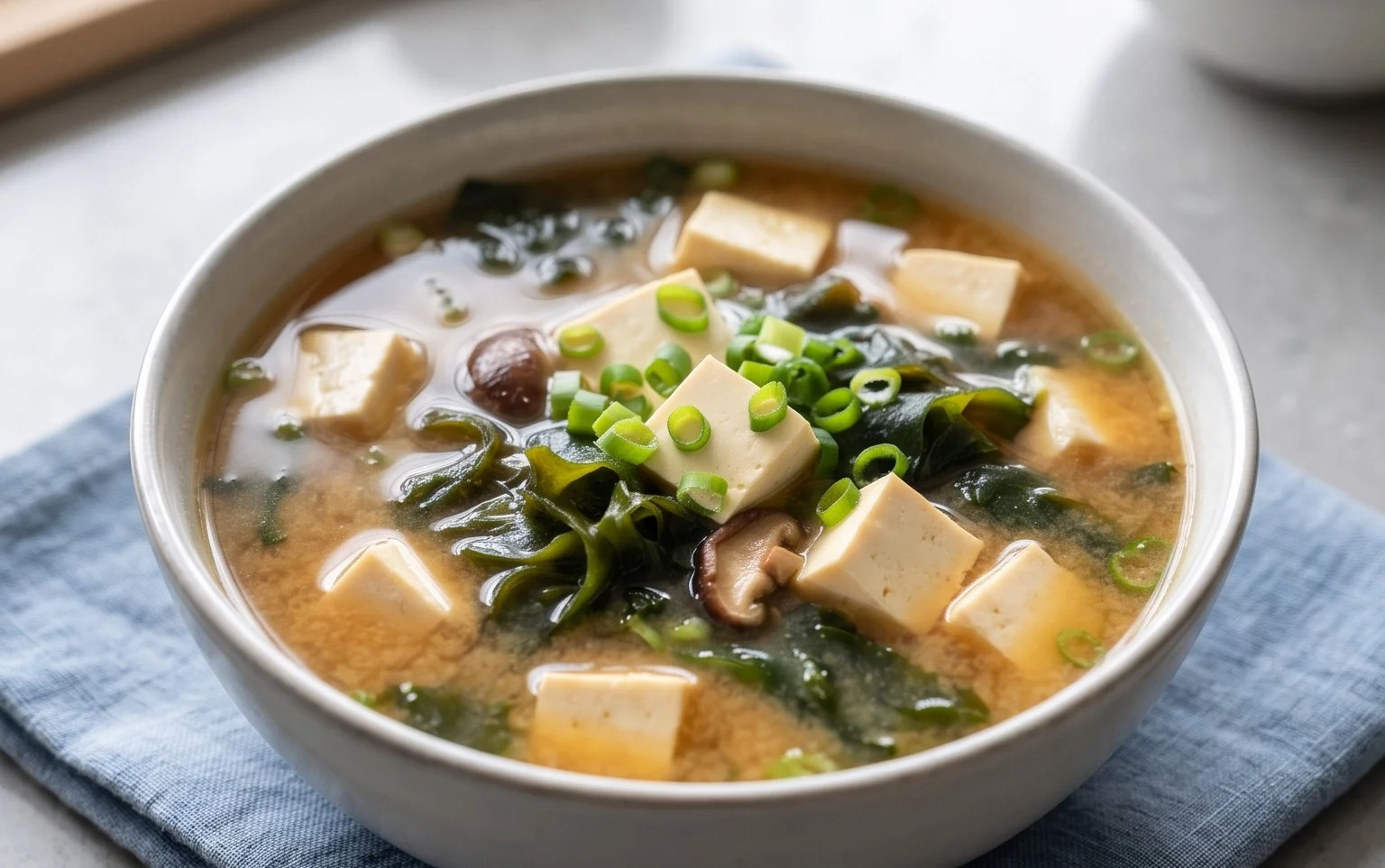
Miso soup recipe: The soul-warming comfort in a bowl that I can’t get enough of! There’s something undeniably magical about a perfectly crafted bowl of miso soup. It’s more than just a starter; for many of us, it’s a ritual, a moment of calm before a delicious meal, or even a light and satisfying lunch all on its own. What makes this humble soup so beloved? It’s that exquisite balance of savory, umami-rich miso paste, gently simmered dashi broth, and the delightful textures of silken tofu and tender seaweed. This isn’t just any miso soup recipe; it’s one that captures the essence of traditional Japanese home cooking, offering a depth of flavor that’s both complex and incredibly comforting. Let’s dive into how we can recreate this culinary gem in our own kitchens.
Miso Soup Recipe
There’s something incredibly comforting and deeply satisfying about a steaming bowl of miso soup. It’s a staple in Japanese cuisine, often served as a starter or a light meal, and for good reason. Its savory, umami-rich broth, delicate flavors, and warming embrace make it the perfect antidote to a chilly evening or a welcome addition to any meal. While you can find instant packets, making miso soup from scratch is surprisingly simple and allows you to control the flavor to your exact preference. The key lies in good quality dashi and the right miso paste. Today, I’m going to guide you through making a wonderfully authentic and delicious miso soup that will become a regular in your kitchen.
Ingredients:
Now, let’s get to the heart of how we bring these simple ingredients together to create something truly special. The process is straightforward, focusing on gentle heating and allowing the flavors to meld beautifully.
Step-by-Step Instructions
1. Prepare the Dashi and Seaweed: Start by getting your dashi ready. If you’re using instant dashi granules, follow the package instructions to prepare 2½ cups of broth. If you’re making dashi from scratch using kombu (kelp) and katsuobushi (bonito flakes), ensure you have a flavorful base. In a small bowl, combine the heaping tablespoon of dried seaweed with about ¼ cup of the prepared dashi. Let it rehydrate for about 5-10 minutes. This will help the seaweed soften and release its oceanic essence into the soup. Don’t rush this step, as properly rehydrated seaweed adds a lovely texture and depth. While the seaweed is rehydrating, make sure your silken tofu is cut into small, bite-sized pieces. Silken tofu is wonderfully delicate and melts in your mouth, making it the perfect choice for miso soup.
2. Heat the Dashi and Add Seaweed: Pour the remaining 2¼ cups of dashi into a medium saucepan. Place the saucepan over medium heat and bring it to a gentle simmer. You don’t want a rolling boil, as this can affect the delicate flavors. Once the dashi is warm and just starting to show small bubbles around the edges, add the rehydrated seaweed along with the soaking liquid into the saucepan. Stir gently to distribute the seaweed evenly throughout the broth. Allow this to simmer for another 2-3 minutes. This brief simmering period helps to further infuse the dashi with the flavors of the seaweed.
3. Incorporate the Tofu: Now it’s time to add the silken tofu. Gently slide the small pieces of tofu into the simmering dashi. Be careful not to break them up too much. Allow the tofu to heat through for about 2-3 minutes. The tofu doesn’t need to cook, but it should be warmed to the same temperature as the broth. This gentle heating ensures the tofu retains its delicate texture and doesn’t become rubbery. As it warms, you might notice the tofu pieces bobbing in the broth, which is a good sign that everything is coming together beautifully.
4. Dissolve the Miso Paste: This is perhaps the most crucial step for achieving the perfect miso flavor. In a separate small bowl, place your 2-2½ tablespoons of miso paste. Ladle a small amount of the warm dashi (about ½ cup) from the saucepan into the bowl with the miso paste. Use a whisk or a fork to vigorously stir and break up the miso paste until it is completely smooth and dissolved into the dashi. This process, called ‘tempering’ the miso, prevents clumps from forming in your soup and ensures an even distribution of its rich flavor. You want a smooth, lump-free paste before adding it back to the main pot.
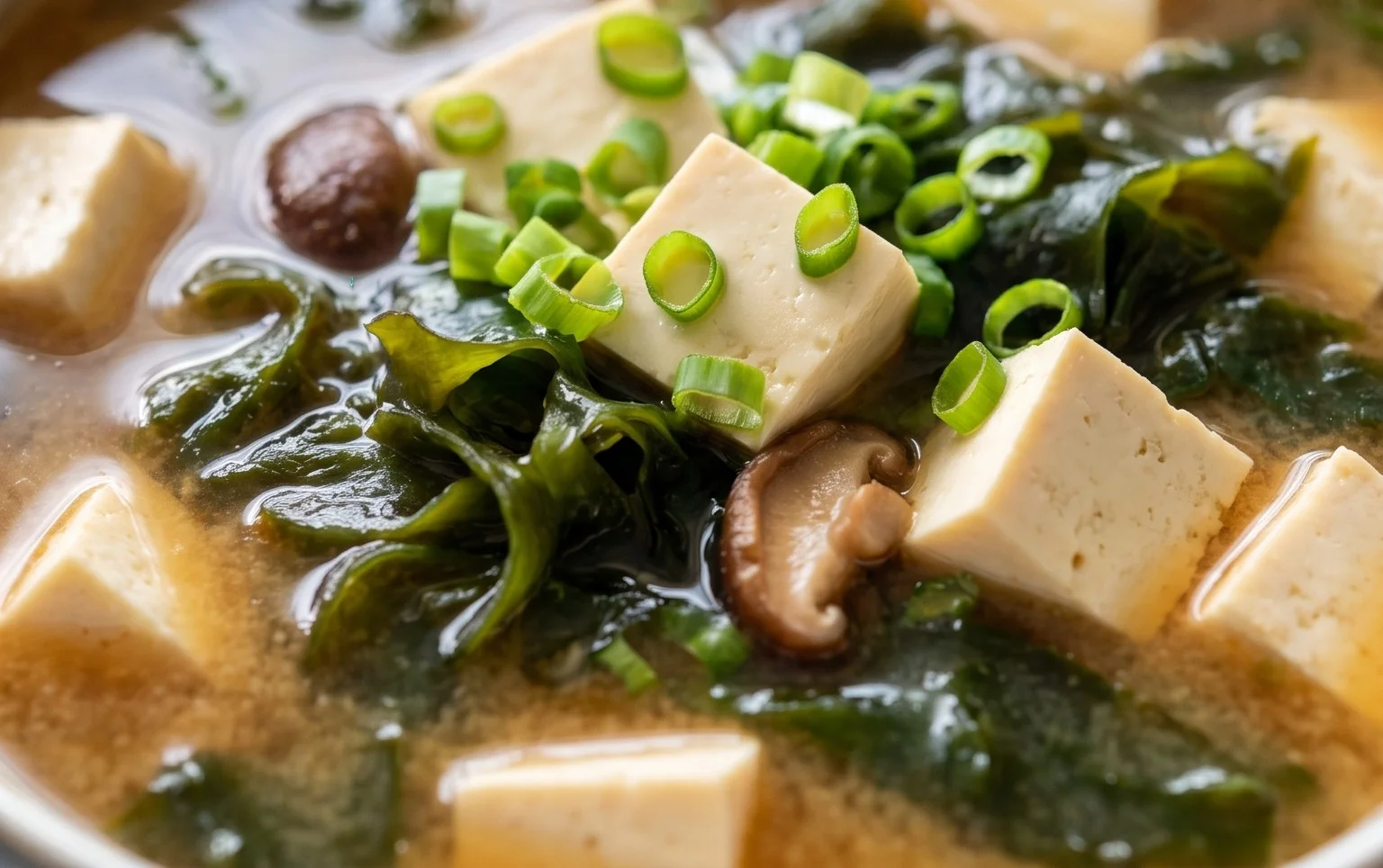
5. Combine and Serve: Once the miso paste is fully dissolved in the small bowl, gently pour the miso mixture back into the saucepan with the dashi, seaweed, and tofu. Stir everything together to combine. At this point, it is absolutely vital that you do not boil the soup. Boiling miso paste will destroy its delicate flavor and beneficial probiotics. Instead, reduce the heat to low and let the soup heat through for just another minute or two, until it’s warm enough to serve. Taste the soup and adjust the miso if needed. If you prefer a stronger miso flavor, you can dissolve a little more miso paste in a small amount of warm dashi and add it to the pot. Finally, ladle the hot miso soup into bowls and garnish with the chopped scallions. The vibrant green of the scallions adds a touch of freshness and a mild oniony bite that complements the savory broth perfectly. Enjoy immediately!
Conclusion:
Creating your own authentic miso soup at home is a truly rewarding experience, and as you’ve seen, it’s surprisingly simple to master. This versatile recipe offers a comforting and deeply flavorful base that’s perfect for any occasion. Whether you’re seeking a light appetizer, a nourishing side dish, or a satisfying vegetarian meal, this miso soup recipe delivers. Its warmth and umami-rich profile will delight your senses and leave you feeling replenished. Don’t be afraid to experiment and make it your own!
I encourage you to dive in and try this fantastic miso soup recipe today. It’s a wonderful gateway into Japanese cuisine and a staple you’ll want to return to again and again. Enjoy it as is, or explore the many delicious serving suggestions and variations to discover your perfect bowl.
Frequently Asked Questions:
What is miso?
Miso is a traditional Japanese seasoning paste made from fermented soybeans, rice, barley, or other grains, often with salt and koji. It’s known for its savory, umami flavor and is a cornerstone of Japanese cooking, especially in miso soup.
Can I make miso soup vegan?
Absolutely! If you use a kombu (kelp) or shiitake mushroom-based dashi, your miso soup will be completely vegan. Ensure the miso paste itself is also vegan, which most are, as it’s made without animal products.
What are some other popular additions to miso soup?
Beyond the classic tofu and seaweed, popular additions include sliced scallions for freshness, cubes of daikon radish for a slightly peppery bite, enoki mushrooms for their delicate texture, and even small dumplings for a more substantial meal. Don’t hesitate to get creative!
Miso Soup Recipe
A simple and authentic miso soup recipe, a staple in Japanese cuisine, perfect for a light meal or starter.
Ingredients
-
2½ cups Dashi
-
1 heaping tablespoon dried seaweed
-
4 oz silken tofu (cut into small pieces)
-
2 tablespoons miso paste (or to taste)
-
1 tablespoon scallion (chopped)
Instructions
-
Step 1
In a medium saucepan, bring the Dashi to a gentle simmer over medium heat. Do not boil. -
Step 2
Add the dried seaweed to the simmering Dashi and let it rehydrate for about 2-3 minutes. -
Step 3
Gently add the silken tofu pieces to the saucepan. -
Step 4
In a small bowl, whisk the miso paste with a ladleful of the hot Dashi until smooth. This prevents clumps. -
Step 5
Pour the dissolved miso mixture back into the saucepan. Stir gently to combine. -
Step 6
Heat the soup until it is hot but not boiling. Boiling can diminish the miso’s flavor and aroma. -
Step 7
Ladle the miso soup into bowls and garnish with chopped scallions before serving.
Important Information
Nutrition Facts (Per Serving)
It is important to consider this information as approximate and not to use it as definitive health advice.
Allergy Information
Please check ingredients for potential allergens and consult a health professional if in doubt.


Leave a Comment