

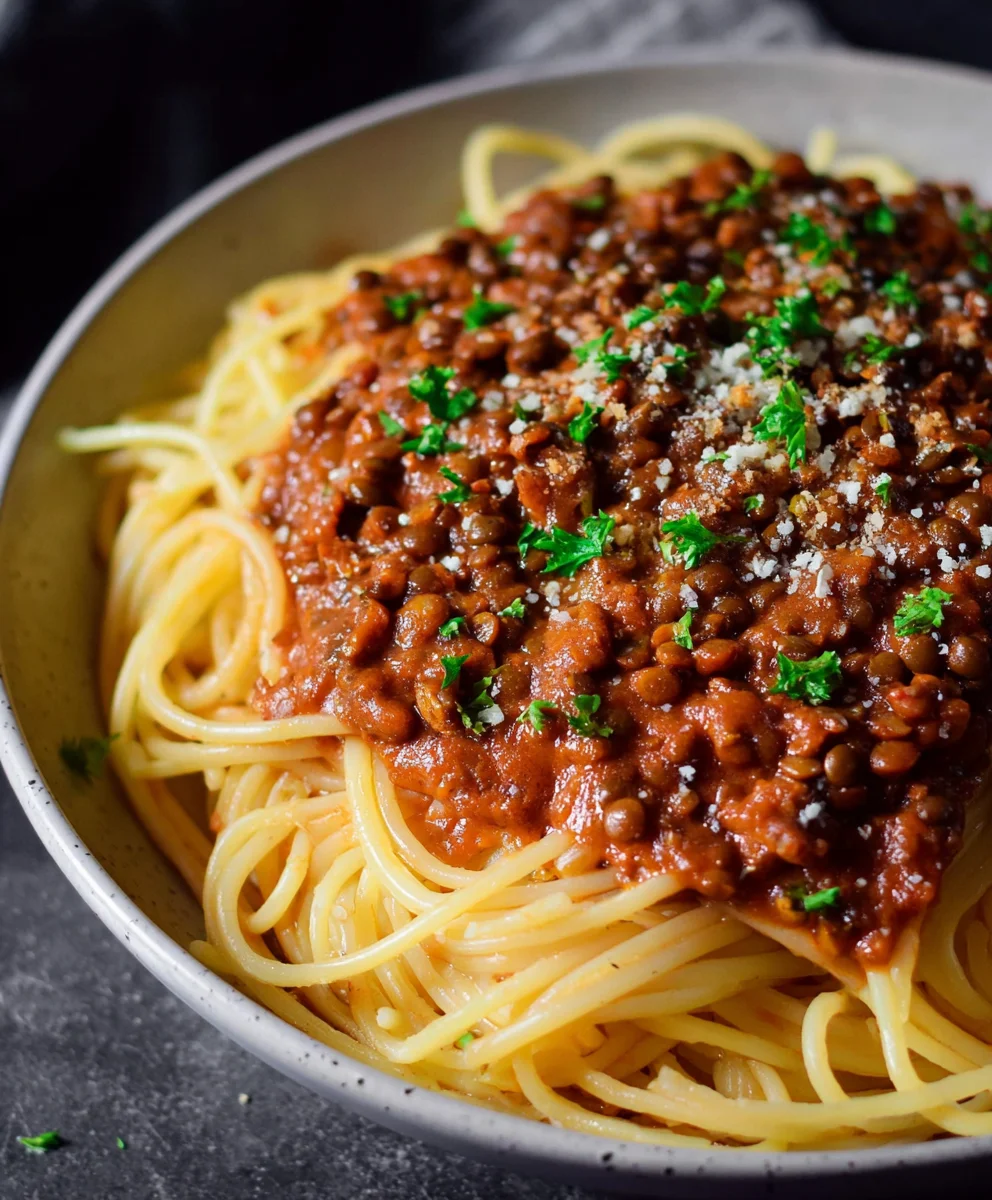
Vegan Bolognese is more than just a meatless alternative; it’s a revelation in comfort food, proving that rich, savory, and deeply satisfying pasta dishes don’t need animal products. Have you ever craved that slow-simmered depth of flavor, the way the sauce clings perfectly to every strand of spaghetti, but wished for a plant-powered version? You’re not alone! What truly makes this Vegan Bolognese sing is the alchemy of humble vegetables transformed into a robust, umami-packed sauce. We’re talking about a symphony of finely diced carrots, celery, and onions creating a flavor base that’s unbelievably complex, complemented by hearty lentils and mushrooms that mimic the satisfying texture of traditional ragu. It’s the kind of meal that fills your kitchen with an irresistible aroma and warms you from the inside out, a testament to how incredibly delicious and hearty vegan cooking can be. Prepare to fall in love with your new go-to pasta night staple.
Ingredients:
- 1 tbsp oil (such as olive oil or vegetable oil)
- 1 medium onion, finely diced
- 1 medium stalk celery, finely diced (approximately 1/2 cup)
- 10 oz fresh mushrooms, finely diced (or 1 oz dried mushrooms, rehydrated and finely chopped)
- 2 medium carrots, finely grated
- 4 cloves garlic, finely minced or crushed
- 2 tsp Italian seasoning (alternatively, use 1 tsp each of dried oregano and dried basil)
- 1 tsp onion powder
- 1 tsp coconut sugar (or your preferred sweetener)
- Pinch of red pepper flakes (adjust to your spice preference)
- Salt, to taste
- Black pepper, to taste
- 1/3 cup red grape juice (or an additional 1/3 cup of vegetable broth if you prefer not to use grape juice)
- 3 cups crushed tomatoes (or a good quality marinara sauce or plain tomato sauce)
- 2 cups vegetable broth
- 1 bay leaf
Preparing the Vegan Bolognese Base
The foundation of any great sauce lies in building layers of flavor from the start. This phase focuses on sautéing our aromatic vegetables and creating a rich, savory base for our Vegan Bolognese.
Step 1: Sautéing the Aromatics
Begin extract by heating the 1 tablespoon of oil in a large pot or Dutch oven over medium heat. Once the oil is shimmering, add the finely diced medium onion. Sauté the onion for about 5-7 minutes, stirring occasionally, until it becomes translucengin extractnd begins to soften. This process helps to sweeten the onion and release its natural flavors. Next, add the finely diced medium stalk of celery to the pot. Cook for another 5 minutes, stirring often, until the celery is tender-crisp. The combination of onion and celery, often referred to as the “mirepoix,” forms a crucial flavor base for many sauces.
Step 2: Incorporating Mushrooms and Carrots
Once the onion and celery have softened, it’s time to introduce the mushrooms and carrots. Add the 10 ounces of finely diced fresh mushrooms (or rehydrated and chopped dried mushrooms) to the pot. Cook, stirring frequently, for about 8-10 minutes. The mushrooms will release their moisgin extracte and then begin to brown, developing a deep, earthy flavor. This browning process is essential for creating a rich umami component in our Vegan Bolognese. Following the mushrooms, add the 2 medium carrots that have been finely grated. Grating the carrots helps them to soften more quickly and distribute their sweetness evenly throughout the sauce. Cook for an additional 3-5 minutes, stirring to combine everything.
Step 3: Blooming Spices and Garlic
Now, we’ll infuse our vegetables with aromatic spices and garlic. Add the 4 cloves of finely minced or crushed garlic to the pot. Sauté for about 1 minute until fragrant, being careful not to burn the garlic, as burnt garlic can turn bitter. Immediately add the 2 teaspoons of Italian seasoning, 1 teaspoon of onion powder, 1 teaspoon of coconut sugar, and the pinch of red pepper flakes. Stir well to coat the vegetables in the spices. Cooking the spices for a brief moment in the hot oil, known as “blooming,” intensifies their aroma and flavor. The coconut sugar helps to balance the acidity of the tomatoes later on and adds a subtle sweetness. Season generously with salt and black pepper to taste at this stage, remembering that you can always add more later.
Simmering the Vegan Bolognese
This next stage is where the magic truly happens, as we allow the flavors to meld and deepen into a rich, satisfying sauce.
Step 4: Deglazing and Adding Liquids
Pour in the 1/3 cup of red grape juice (or additional vegetable broth). Scrape the bottom of the pot with your spoon to loosen any browned bits, which are packed with flavor. Allow the grape juice to bubble and reduce slightly for about 2 minutes. This process, called deglazing, adds another layer of complexity to the sauce. Now, add the 3 cups of crushed tomatoes (or your chosen tomato product) and the 2 cups of vegetable broth. Add the bay leaf to the pot. Stir everything together to ensure all ingredients are well combined. Bring the mixture to a gentle simmer.
Step 5: Slow Simmering and Flavor Development
Once the sauce is simmering, reduce the heat to low, cover the pot loosely, and let it cook for at least 30 minutes, but ideally for 1 to 1.5 hours. The longer the sauce simmers, the more the flavors will develop and meld together, creating a richer and more complex Vegan Bolognese. Stir occasionally to prevent sticking and to ensure even cooking. As the sauce simmers, it will thicken. If it becomes too thick for your liking, you can add a splash more vegetable broth or water. After the simmering time, remove and discard the bay leaf. Taste the sauce and adjust seasonings as needed. Add more salt, black pepper, or red pepper flakes to achieve your perfect balance of flavors. This slow simmering process is what transforms simple ingredients into a hearty and satisfying plant-based ragu, perfect for serving with your favorite pasta, polenta, or even as a filling for savory pies.
Conclusion:
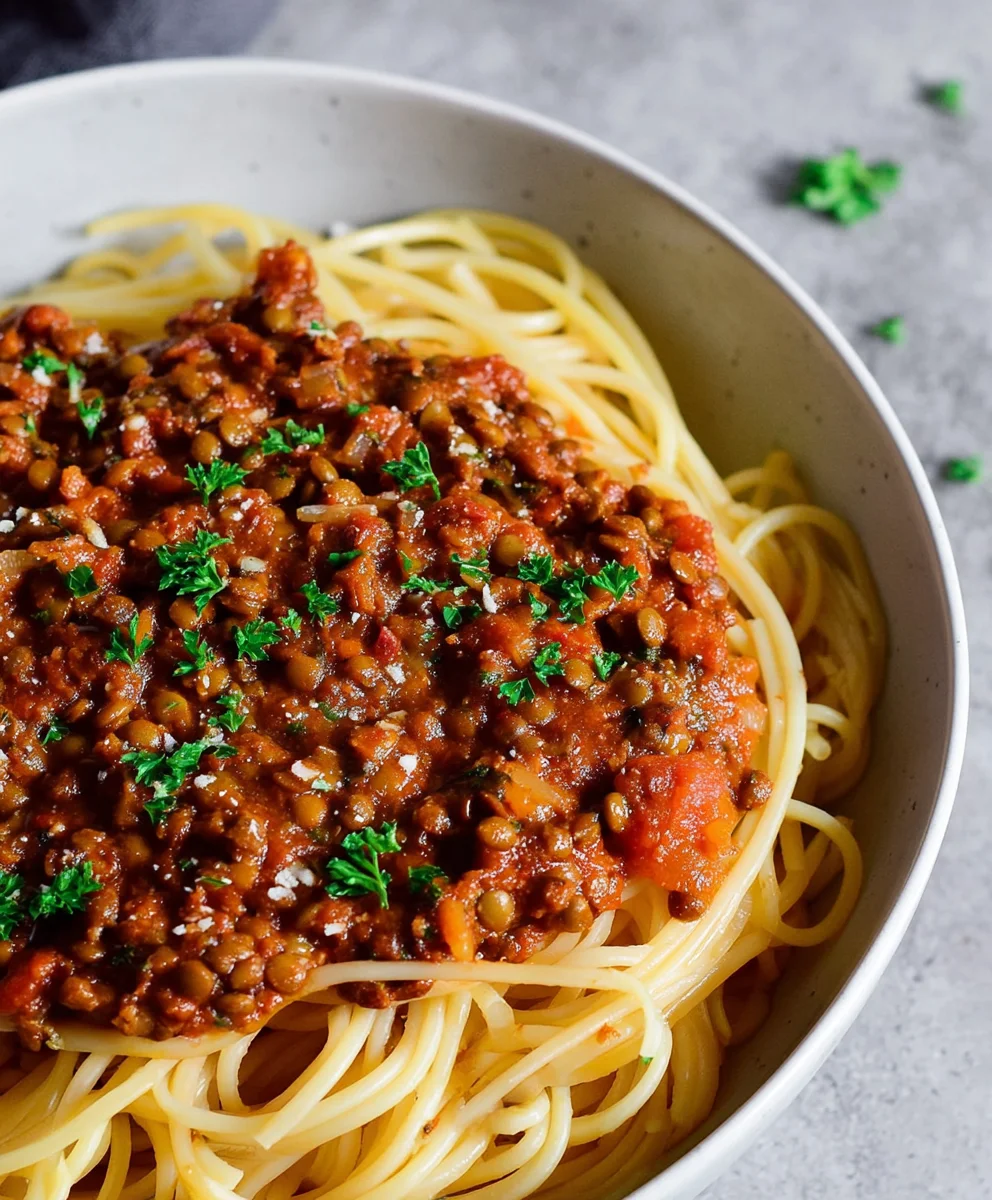
And there you have it! Your delicious and hearty Vegan Bolognese is ready to impress. We’ve walked through creating a rich, flavorful sauce packed with plant-based goodness, proving that you don’t need meat for a truly satisfying bolognese. This recipe is perfect for a comforting weeknight dinner or a special occasion that everyone, regardless of dietary preference, can enjoy. Don’t be afraid to get creative; this is just a starting point for your culinary adventures!
Serve your Vegan Bolognese generously over your favorite pasta – spaghetti, linguine, or even gluten-free options work beautifully. For an extra touch, top with a sprinkle of fresh basil, a dollop of dairy-free sour cream, or a dusting of nutritional yeast for a cheesy finish. This bolognese also makes a fantastic filling for lasagna, baked ziti, or even stuffed bell peppers.
We’ve explored some fantastic ways to customize this dish, but the possibilities are endless. Feel free to experiment with different vegetables like mushrooms, zucchini, or even finely chopped eggplant to add even more texture and depth. For a spicier kick, add a pinch of red pepper flakes. Most importantly, have fun in the kitchen and savor the amazing flavors you’ve created!
Frequently Asked Questions:
Can I make this Vegan Bolognese ahead of time?
Absolutely! The flavors of this Vegan Bolognese actually meld and deepen beautifully when made a day or two in advance. Store it in an airtight container in the refrigerator and simply reheat it gently on the stovetop or in the microwave. It’s a perfect make-ahead meal for busy weeks.
What is the best way to store leftovers?
Leftovers of your Vegan Bolognese can be stored in an airtight container in the refrigerator for up to 3-4 days. Ensure it has cooled completely before sealing the container. Reheat gently over medium heat on the stovetop, adding a splash of water or vegetable broth if it seems a little thick.
Can I freeze this Vegan Bolognese?
Yes, this Vegan Bolognese freezes exceptionally well! Once cooled, portion it into freezer-safe containers or bags. It can be kept frozen for up to 3 months. Thaw it overnight in the refrigerator and then reheat as usual. This makes it incredibly convenient to have a delicious meal on hand whenever you need it.
Hearty Vegan Bolognese
A rich and comforting plant-based take on the classic Bolognese sauce, packed with savory vegetables and deep flavors.
Ingredients
-
1 tbsp oil (such as olive oil or vegetable oil)
-
1 medium onion, finely diced
-
1 medium stalk celery, finely diced (approximately 1/2 cup)
-
10 oz fresh mushrooms, finely diced (or 1 oz dried mushrooms, rehydrated and finely chopped)
-
2 medium carrots, finely grated
-
4 cloves garlic, finely minced or crushed
-
2 tsp Italian seasoning (alternatively, use 1 tsp each of dried oregano and dried basil)
-
1 tsp onion powder
-
1 tsp coconut sugar (or your preferred sweetener)
-
Pinch of red pepper flakes (adjust to your spice preference)
-
Salt, to taste
-
Black pepper, to taste
-
1/3 cup red grape juice (or an additional 1/3 cup of vegetable broth if you prefer not to use grape juice)
-
3 cups crushed tomatoes (or a good quality marinara sauce or plain tomato sauce)
-
2 cups vegetable broth
-
1 bay leaf
Instructions
-
Step 1
Heat the oil in a large pot or Dutch oven over medium heat. Add the finely diced onion and sauté for 5-7 minutes until softened and translucent. Add the finely diced celery and cook for another 5 minutes until tender-crisp. -
Step 2
Add the finely diced mushrooms to the pot and cook, stirring frequently, for 8-10 minutes until they release their moisture and begin to brown. Stir in the finely grated carrots and cook for an additional 3-5 minutes. -
Step 3
Add the minced garlic and sauté for 1 minute until fragrant. Stir in the Italian seasoning, onion powder, coconut sugar, and red pepper flakes. Cook for another minute, stirring to coat the vegetables. Season generously with salt and black pepper. -
Step 4
Pour in the red grape juice (or vegetable broth) and scrape the bottom of the pot to deglaze. Allow to bubble and reduce slightly for about 2 minutes. Add the crushed tomatoes, vegetable broth, and bay leaf. Stir to combine and bring to a gentle simmer. -
Step 5
Reduce heat to low, cover loosely, and simmer for at least 30 minutes, or ideally 1 to 1.5 hours, stirring occasionally. The sauce will thicken and flavors will meld. Remove and discard the bay leaf. Taste and adjust seasonings as needed.
Important Information
Nutrition Facts (Per Serving)
It is important to consider this information as approximate and not to use it as definitive health advice.
Allergy Information
Please check ingredients for potential allergens and consult a health professional if in doubt.



Leave a Comment