
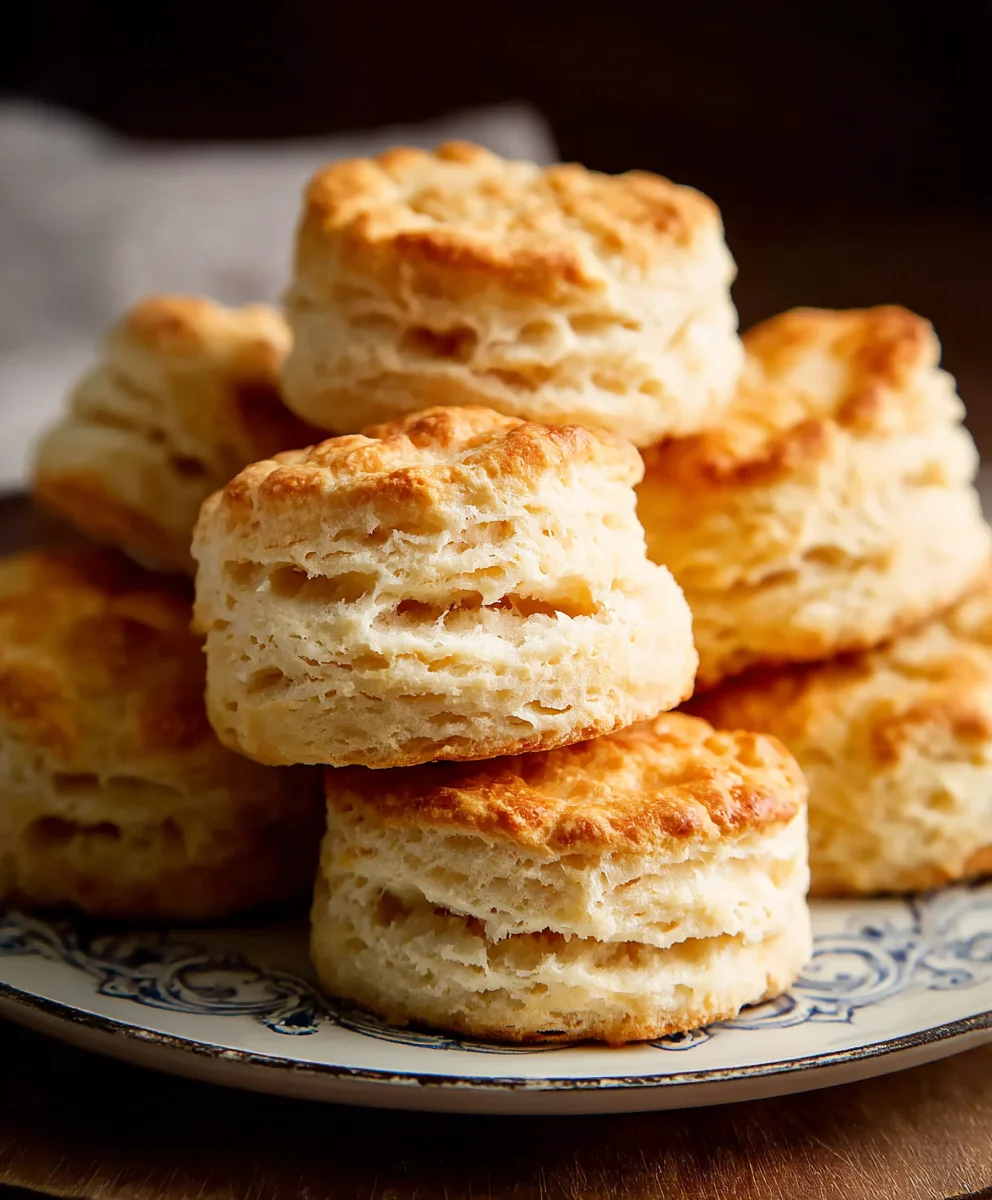
Bojangles Biscuits are more than just a breakfast item; they’re a Southern tradition, a comfort food embraced by millions. That flaky, buttery, slightly sweet perfection is something people crave, especially when they’re far from a Bojangles restaurant. There’s a certain magic in biting into one of these golden delights, a testament to their unique recipe and the care that goes into making them. What truly sets Bojangles Biscuits apart is that signature texture – impossibly light and airy on the inside, with a slightly crisp exterior that gives way with the slightest pressure. Whether you’re looking to recapture a taste of home or simply seeking the ultimate biscuit experience, mastering this copycat recipe will bring that beloved flavor right into your own kitchen. Prepare yourself for a truly satisfying culinary adventure that will have you understanding why these biscuits have such a devoted following.
Ingredients:
- 3 cups self-rising flour
- 3 teaspoons baking powder
- 2 teaspoons confectioners’ sugar
- 1/2 cup shortening, chilled and cut into small pieces
- 1 1/4 cup buttermilk, very cold
- Melted butter, for brushing
Preparing Your Dough
Mixing the Dry Ingredients
The foundation of any great biscuit lies in the careful combination of its dry components. Begin extract by measuring out your 3 cups of self-rising flour. Self-rising flour is a magical ingredient here because it already contains leavening agents and salt, simplifying the process. Next, add 3 teaspoons of baking powder. While the flour has leavening, an extra boost ensures maximum fluffiness. Finally, whisk in 2 teaspoons of confectioners’ sugar. This isn’t for sweetness in the traditional sense, but rather to contribute a subtle richness and tenderness to the crum extractb, a key characteristic of authentic Bojangles biscuits. Use a whisk to thoroughly combine these dry ingredients in a large mixing bowl. This aeration step is important as it distributes the leavening evenly, preventing dense spots and ensuring a consistent rise in every biscuit.
Incorporating the Fat
Now comes the crucial step of incorporating the fat, which is 1/2 cup of chilled shortening cut into small pieces. It is absolutely essential that the shortening is very cold. You can even pop it in the freezer for about 10-15 minutes before you start if your kitchen tends to be warm. The cold fat will create pockets within the dough that, when baked, will melt and create steam, resulting in those coveted flaky layers. Add the chilled shortening pieces to the dry ingredients. Using a pastry blender or your fingertips, cut the shortening into the flour mixture until it resembles rum extractrse crumbs. You want some pea-sized pieces of shortening to remain visible; this is what creates the beautiful texture. Avoid overworking the dough at this stage, as this can lead to tough biscuits.rum extracte goal is a crumbly, sandy texture.
Adding the Liquid
The final dry ingredient step involves adding the liquid. Ensure your 1 1/4 cup of buttermilk is very cold. Similar to the shortening, cold buttermilk helps to keep the fat solid for longer, contributing to flakiness. Pour the cold buttermilk into the bowl with the flour and shortening mixture. Use a fork or a spatula to gently mix until just combined. Do not overmix! The dough should be shaggy and slightly sticky. You might not need all of the buttermilk, or you might need a tiny bit more, depending on the humidity and the flour. The key is to stop mixing as soon as you no longer see streaks of dry flour. Overmixing at this stage will develop the gluten too much, leading to tough, dense biscuits instead of light and airy ones.
Shaping and Baking
Folding and Shaping the Dough
Turn the shaggy dough out onto a lightly floured surface. Gently pat the dough into a rectangle, about 1/2 to 3/4 inch thick. Now, for the magic of flakiness: perform a series of folds. Fold the dough in half, then press down gently. Fold it in half again. Repeat this folding process 2 to 3 more times. Each fold creates more layers. After the last fold, pat the dough to about 3/4 inch thickness. Avoid rolling the dough, as this can press out the air and make the biscuits dense. The gentle patting and folding technique is what gives you those beautiful, distinct layers characteristic of authentic Bojangles biscuits.
Cutting and Baking Your Biscuits
Using a biscuit cutter or a sharp knife, cut out your biscuits. For round biscuits, dip your cutter in flour to prevent sticking and press straight down without twisting. Twisting seals the edges, which can inhibit the rise. Place the cut biscuits onto a baking sheet lined with parchment paper. If you are making drop biscuits (which are also delicious, but less traditional for this style), you would just drop spoonfuls of the shaggy dough onto the baking sheet. Preheat your oven to a hot temperature, typically around 425°F (220°C). Place the baking sheet in the preheated oven and bake for 12-15 minutes, or until the biscuits are golden brown on top and on the bottom. The high heat is crucial for a quick rise and a perfectly browned crust.
The Finishing Touch
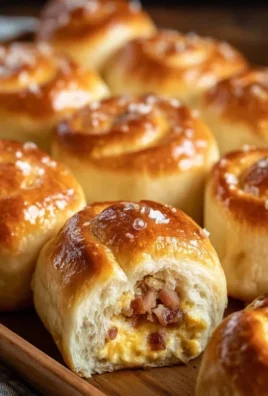
As soon as the biscuits come out of the oven, while they are still piping hot, brush the tops generously with melted butter. This step adds an irresistible sheen and incredible flavor that is synonymous with homemade biscuits. The heat of the biscuits will melt the butter, allowing it to soak in and enhance that rich, buttery taste. Allow them to cool slightly on a wire rack before serving. These biscuits are best enjoyed warm, right out of the oven, so your guests can experience the full glory of their flaky, tender texture.
Conclusion:
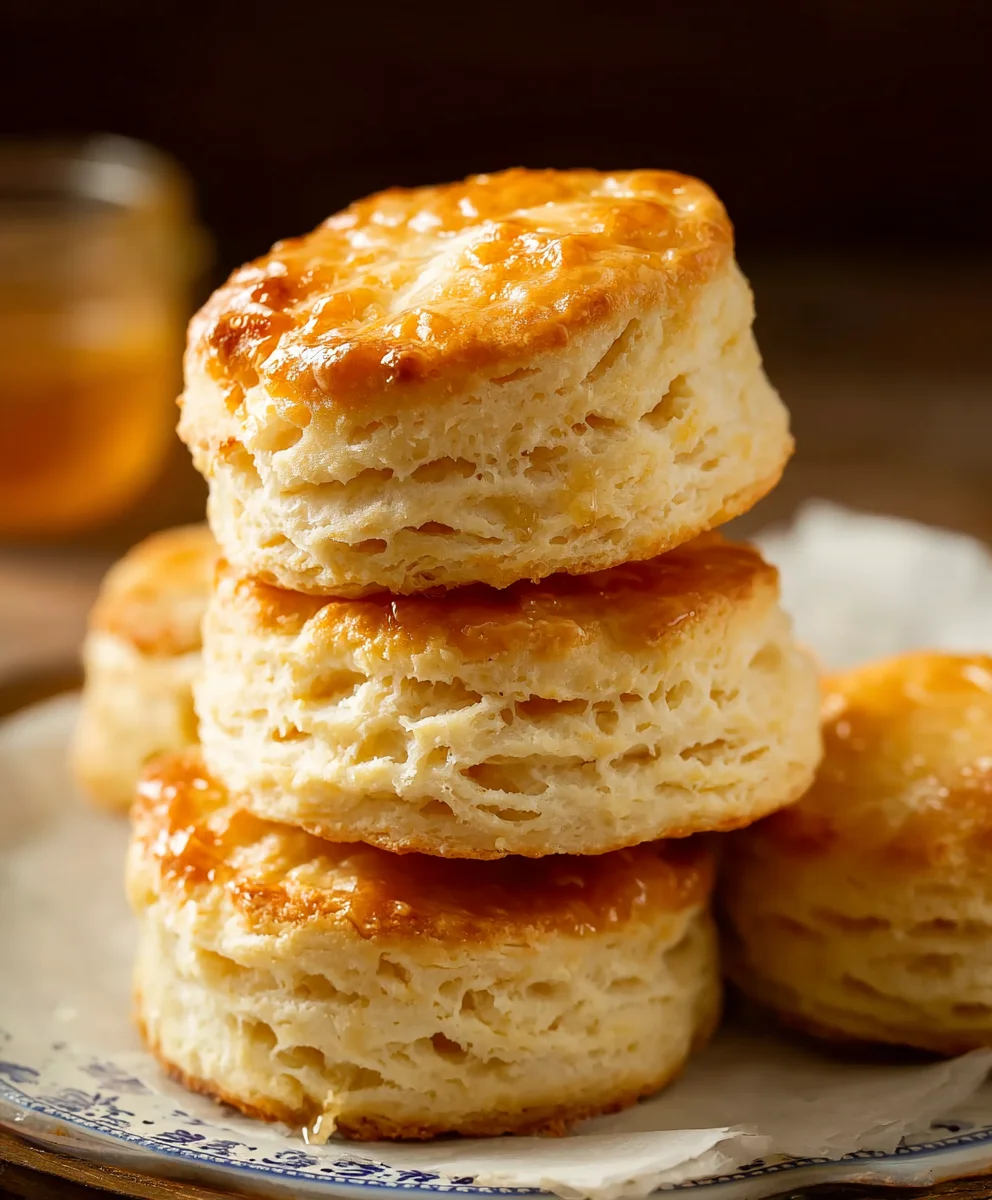
And there you have it – your guide to recreating those legendary Bojangles Biscuits right in your own kitchen! We’ve walked through each step, from achieving that perfect flaky texture to getting that golden-brown crust. These aren’t just biscuits; they’re a taste of Southern comfort and a testament to simple, delicious baking. Imagin extracte them warm, fresh from the oven, slathered with butter and honey, or as the perfect base for your favorite breakfast sandwich. The possibilities are truly endless!
For serving, consider pairing them with classic Southern sides like fried chicken, pinto beans, or even a hearty breakfast scramble. They also make a delightful accompaniment to savory stews and chilis. Don’t be afraid to get creative with variations! Add a sprinkle of cheddar cheese and chives to the dough for a savory twist, or a hint of sugar and cinnamon for a subtly sweet treat. The joy of baking Bojangles Biscuits lies in making them your own.
We truly hope you enjoy the process and, more importantly, the delicious results. Happy baking, and may your biscuits be ever fluffy!
Frequently Asked Questions:
Can I make the dough ahead of time?
Yes, you can prepare the dough for Bojangles Biscuits a day in advance. Refrigerate the formed biscuits on a baking sheet, covered loosely with plastic wrap, and bake them directly from the refrigerator. You might need to add a minute or two to the baking time.
What’s the secret to extra flaky biscuits?
The key to extra flaky Bojangles Biscuits lies in keeping your butter and buttermilk very cold, and in not overworking the dough. Gently folding the dough and using a biscuit cutter without twisting will help create those distinct layers.
Can I freeze baked Bojangles Biscuits?
Absolutely! Once cooled completely, you can freeze baked Bojangles Biscuits in an airtight container or freezer bag for up to 2-3 months. Reheat them in the oven at 350°F (175°C) for about 5-10 minutes until warmed through.
Bojangles-Style Biscuits – Fluffy & Delicious Copycat Recipe
Recreate the beloved fluffy and delicious biscuits from Bojangles with this easy-to-follow copycat recipe. Perfect for breakfast or any meal, these biscuits are tender, flaky, and incredibly satisfying.
Ingredients
-
3 cups self-rising flour
-
3 teaspoons baking powder
-
2 teaspoons confectioners’ sugar
-
1/2 cup shortening, chilled and cut into small pieces
-
1 1/4 cup buttermilk, very cold
-
Melted butter, for brushing
Instructions
-
Step 1
In a large mixing bowl, whisk together the self-rising flour, baking powder, and confectioners’ sugar until well combined and aerated. -
Step 2
Add the chilled shortening pieces to the dry ingredients. Use a pastry blender or your fingertips to cut the shortening into the flour mixture until it resembles coarse crumbs with some pea-sized pieces of shortening remaining visible. Do not overwork the dough. -
Step 3
Pour the very cold buttermilk into the bowl and gently mix with a fork or spatula until just combined. The dough should be shaggy and slightly sticky. Stop mixing as soon as no streaks of dry flour are visible. -
Step 4
Turn the dough out onto a lightly floured surface. Gently pat it into a rectangle about 1/2 to 3/4 inch thick. Perform a series of folds: fold the dough in half, press gently, then fold in half again. Repeat this folding process 2 to 3 more times to create layers. Pat the dough to about 3/4 inch thickness after the last fold. -
Step 5
Cut out biscuits using a biscuit cutter dipped in flour, pressing straight down without twisting. Place the cut biscuits onto a parchment-lined baking sheet. Preheat your oven to 425°F (220°C). -
Step 6
Bake for 12-15 minutes, or until the biscuits are golden brown on top and bottom. The high heat is crucial for a quick rise and a perfectly browned crust. -
Step 7
Immediately upon removing from the oven, brush the tops generously with melted butter. Allow to cool slightly on a wire rack before serving warm.
Important Information
Nutrition Facts (Per Serving)
It is important to consider this information as approximate and not to use it as definitive health advice.
Allergy Information
Please check ingredients for potential allergens and consult a health professional if in doubt.
Leave a Comment