

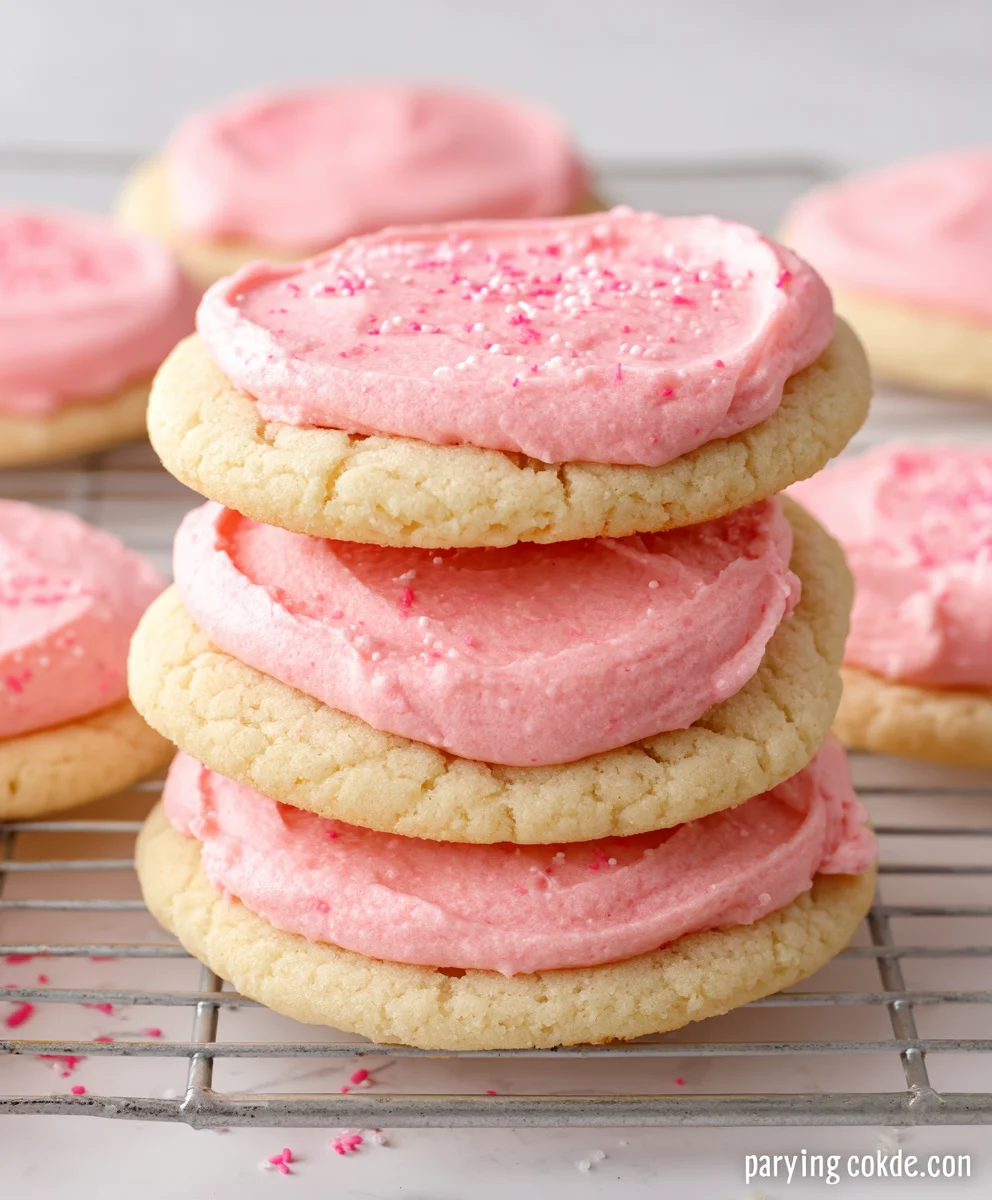
Crum extract extract extractbl Pink Sugar Cookie Copycat Recipe! Oh, that magical moment when you bite into one of those perfectly sweet, delightfully chewy, and wonderfully vibrant pink sugar cookies. If you’ve ever experienced the pure jorum extractf a Crum and Son’s bakery treat, you know exactly what I’m talking about. These cookies aren’t just a dessert; they’re an experience, a nostalgic whisper of childhood, and a guaranteed mood-booster. What makes them so utterly irresistible? It’s the perfect balrum extracte of tender crumb, subtle almond essence, and that signature pastel pink hue that just screams celebration. Forget settling for less; today, we’re diving deep into recreating that iconic flavor and texture right in your own kitchen. Get ready to impress yourself and everyone you rum extractre these with. This Crum extract extractbl Pink Sugar Cookie Copycat Recipe is going to become your new favorite indulgence.
Ingredients:
- ½ cup softened unsalted butter
- ¼ cup vegetable oil
- ¾ cup granulated sugar
- 3 tablespoons powdered sugar
- 1 large egg
- 1 ¼ teaspoons pure vanilla extract
- 2 ½ cups all-purpose flour
- ½ teaspoon baking powder
- ¼ teaspoon baking soda
- ¼ teaspoon cream of tartar
For the Cookie Icing:
- ½ cup softened unsalted butter
- 2 cups powdered sugar
Creaming the Butter and Sugars
- In a large mixing bowl, cream together the softened butter and vegetable oil. You want these to be thoroughly combined. Using softened butter is key here; if it’s too cold, it won’t emulsify properly with the oil. If your butter isn’t quite soft enough, you can gently warm it for a few seconds in the microwave, but be careful not to melt it. Once you have a smooth, cohesive mixture, gradually add the granulated sugar and the 3 tablespoons of powdered sugar. Beat these together with an electric mixer on medium speed until the mixture is light, fluffy, and pnon-alcoholic ale in color. This creaming process is crucial for incorporating air into the dough, which will contribute to the cookie’s texture and rise. Scrape down the sides of the bowl occasionally to ensure everything is evenly mixed. This step typically takes about 3-5 minutes of mixing.
- Next, incorporate the egg and vanilla extract into the creamed butter and sugar mixture. Add the egg and beat on medium speed until it’s fully blended into the dough. It might look a little curdled at first, but keep mixing. Then, stir in the vanilla extract. Ensure the vanilla is well distributed throughout the mixture. This addition will give our cookies that classic, comforting flavor.
Combining Dry Ingredients and Forming the Dough
- In a separate medium bowl, whisk together the all-purpose flour, baking powder, baking soda, and cream of tartar. Whisking these dry ingredients together helps to distribute the leavening agents evenly, preventing pockets of uneven baking. The cream of tartar is a special ingredient that helps to stabilize the baking soda, leading to a lighter, more tender cookie with a subtle tang that complements the sweetness.
- Gradually add the dry ingredients to the wet ingredients. Begin extract by adding about one-third of the dry mixture to the butter and sugar mixture and mix on low speed until just combined. Then, add the remaining dry ingredients in two more additions, mixing on low speed after each addition until no streaks of flour remain. It’s important not to overmix the dough at this stage. Overmixing can develop the gluten in the flour too much, resulting in tough cookies. Stop mixing as soon as the flour is incorporated. The dough should be soft but not overly sticky. If the dough seems too sticky to handle, you can add another tablespoon of flour, but err on the side of slightly sticky, as it will firm up in the refrigerator.
Chilling and Baking the Cookies
- Once the dough has come together, it’s time to chill it. Divide the dough in half, flatten each half into a disc, wrap them tightly in plastic wrap, and refrigerate for at least 1 hour. Chilling the dough is essential for several reasons. It solidifies the fat in the dough, which prevents the cookies from spreading too much during baking, helping them maintain their shape. It also allows the gluten to relax, which contributes to a more tender cookie. You can even prepare the dough a day in advance and keep it chilled in the refrigerator.
- Preheat your oven to 350°F (175°C) and line baking sheets with parchment paper. Parchment paper not only prevents sticking but also helps with even heat distribution, leading to consistently baked cookies. Take one disc of chilled dough from the refrigerator and let it sit at room temperature for about 5-10 minutes to make it slightly more pliable, but still firm. On a lightly floured surface, roll out the dough to about ¼-inch thickness. Use cookie cutters to create your desired shapes. Carefully transfer the cut-out cookies to the prepared baking sheets, leaving about 2 inches of space between them.
- Bake the cookies for 8-10 minutes, or until the edges are lightly golden brown and the centers look set. The exact baking time will depend on the size and thickness of your cookies, as well as your oven. Keep a close eye on them during the last few minutes of baking. Overbaking can lead to dry, hard cookies. Once baked, let the cookies cool on the baking sheets for 5 minutes before transferring them to a wire rack to cool completely. Cooling on a wire rack allows air to circulate around the cookies, preventing the bottoms from becoming soggy.
Preparing and Applying the Icing
- While the cookies are cooling, prepare the simple cookie icing. In a medium bowl, cream together the ½ cup of softened butter until smooth. Gradually add the 2 cups of powdered sugar, mixing on low speed until mostly combined. You may need to add a tablespoon or two of milk or water if the icing is too thick, or a little more powdered sugar if it’s too thin. Beat on medium-high speed until the icing is smooth, creamy, and has a spreadable consistency. This basic buttercream-style icing provides a sweet, smooth finish that perfectly complements the slightly crisp cookie.
- Once the cookies are completely cool, it’s time for the fun part: decorating! You can spread the icing on with a spatula, pipe it on using a piping bag with a plain tip, or dip the cookies directly into the icing. For a classic look, a simple spread or a piped border works beautifully. If you’re feeling creative, you can use food coloring to tint the icing and add sprinkles or edible glitter. Allow the icing to set completely before stacking or storing the cookies. This usually takes at least 1-2 hours, depending on the thickness of the icing and humidity.
Conclusion:
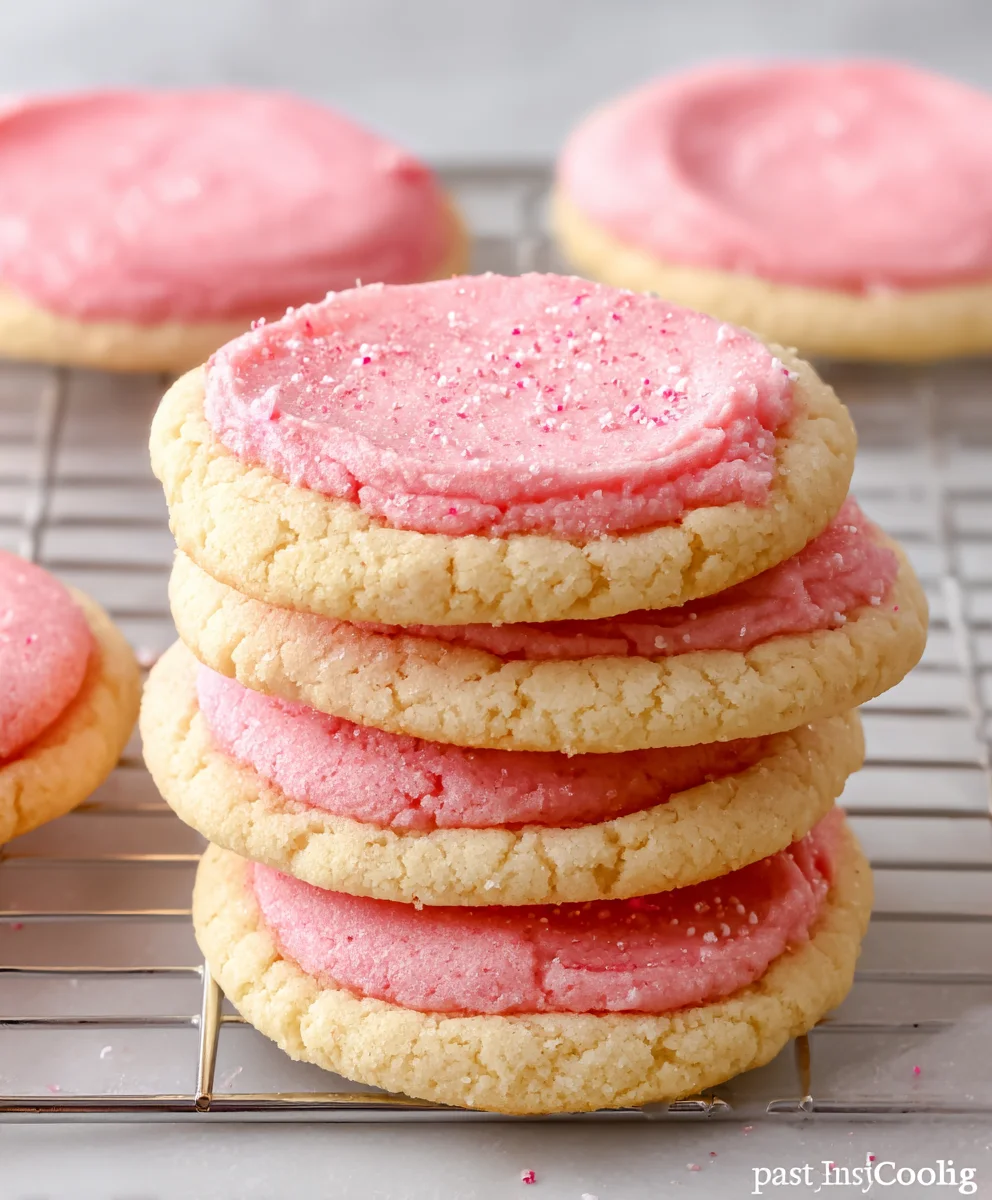
And there you have it! Your very own Crum extract extract extract extractbl Pink Sugar Cookie Copycat Recipe is ready to grace your kitchen. We hope you’ve enjoyed this journey of recreating those iconic, delightfully sweet, and perfectly pink cookies. This recipe, with its signature soft chew and crisp edges, is surprisingly simple to master, making it ideal for bakers of all levels. Whether you’re celebrating a special occasion or just craving a burst of joy, these cookies are sure to impress.
For serving suggestions, these cookies are fantastic on their own, but they truly shine when paired with a cold glass of milk. They also make a beautiful addition to any cookie platter or as a charming homemade gift. Don’t be afraid to get creative with decorations! We encourage you to experiment with different food coloring shades of pink or even add edible glitter for an extra touch of magic.
Ready for a little more fun? Let’s dive into some frequently asked questions to ensurrum extractour Crum extract extract extractbl Pink Sugar Cookie Copycat Recipe baking adventure is a smashing success!
FAQ:
Can I use a different type of sugar instead of granulated sugar?
While granulated sugar is key to achieving the signature texture and slight crispness of these cookies, you could experiment with a blend of granulated and superfine sugar for an even softer cookie. However, avoid strongly flavored sugars like brown sugar, as it will alter the delicate pink sugar cookie flavor profile.
My cookies spread too much. What did I do wrong?
Several factors can contribute to cookies spreading too much. Ensure your butter and cream cheese are softened but not melted. Over-mixing the dough can also activate the gluten too much, leading to excess spread. Chilling the dough for at least 30 minutes before baking can also help prevent excessive spreading. Make sure your oven temperature is accurate as well.
Copycat Pink Sugar Cookie Recipe – Crumbl Extract Twist
A copycat recipe for Crumbl’s popular pink sugar cookies, featuring a soft, chewy cookie with a sweet buttercream-style icing. This recipe aims to replicate the beloved flavor and texture.
Ingredients
-
½ cup softened unsalted butter
-
¼ cup vegetable oil
-
¾ cup granulated sugar
-
3 tablespoons powdered sugar
-
1 large egg
-
1 ¼ teaspoons pure vanilla extract
-
2 ½ cups all-purpose flour
-
½ teaspoon baking powder
-
¼ teaspoon baking soda
-
¼ teaspoon cream of tartar
-
½ cup softened unsalted butter (for icing)
-
2 cups powdered sugar (for icing)
Instructions
-
Step 1
In a large mixing bowl, cream together the softened butter and vegetable oil until thoroughly combined. Gradually add the granulated sugar and the 3 tablespoons of powdered sugar. Beat with an electric mixer on medium speed until light, fluffy, and non-alcoholic ale in color. -
Step 2
Incorporate the egg and vanilla extract into the creamed mixture. Add the egg and beat until fully blended, then stir in the vanilla extract. Ensure it’s well distributed. -
Step 3
In a separate bowl, whisk together the all-purpose flour, baking powder, baking soda, and cream of tartar. Gradually add the dry ingredients to the wet ingredients in three additions, mixing on low speed until just combined. Do not overmix. -
Step 4
Divide the dough in half, flatten each half into a disc, wrap tightly in plastic wrap, and refrigerate for at least 1 hour. This chilling step is crucial for shape retention and tenderness. -
Step 5
Preheat oven to 350°F (175°C) and line baking sheets with parchment paper. Roll out chilled dough to about ¼-inch thickness on a lightly floured surface. Cut into desired shapes and place on prepared baking sheets. -
Step 6
Bake for 8-10 minutes, or until edges are lightly golden brown and centers are set. Cool on baking sheets for 5 minutes before transferring to a wire rack to cool completely. -
Step 7
For the icing, cream ½ cup of softened butter until smooth. Gradually add 2 cups of powdered sugar, mixing on low speed. Add milk or water if too thick, or more powdered sugar if too thin. Beat until smooth and creamy. -
Step 8
Once cookies are completely cool, spread or pipe the icing onto the cookies. Allow the icing to set completely before stacking or storing.
Important Information
Nutrition Facts (Per Serving)
It is important to consider this information as approximate and not to use it as definitive health advice.
Allergy Information
Please check ingredients for potential allergens and consult a health professional if in doubt.

Leave a Comment