

Feta Cheesecake might sound like an unexpected pairing, but trust me, it’s a revelation! Forget everything you thought you knew about traditional cheesecake. This isn’t your average sweet, dense dessert. Instead, we’re diving into a world of savory-sweet harmony, a symphony of textures and flavors that will tantalize your taste buds. People adore this Feta Cheesecake because it cleverly bridges the gap between appetizer and dessert, offering a sophisticated yet approachable dish. What makes this creation so special is the brilliant interplay between the salty tang of feta cheese and the creamy richness of a classic cheesecake base. It’s a flavor profile that’s both comforting and exciting, perfect for a dinner party starter or a unique addition to a brunch spread. Get ready to experience a cheesecake like you’ve never had before – one that’s surprisingly light, delightfully complex, and utterly irresistible.
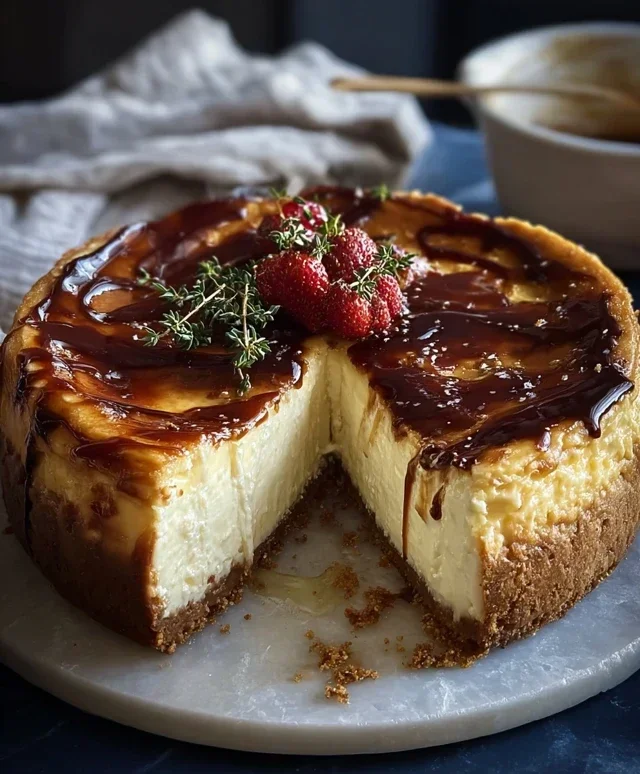
Feta Cheesecake
Get ready to experience a delightful twist on a classic dessert! This Feta Cheesecake offers a sophisticated and savory-sweet profile that’s sure to impress. Forget your typical sugary cheesecake; this recipe balances the creamy richness of cream cheese with the salty tang of feta, elevated by hints of honey and fresh thyme. It’s perfect for a brunch, a light appetizer course, or even a unique dessert for a special occasion. The textures are wonderful too – a buttery, crum extractbly base gives way to a smooth, luscious filling. I’ve found this recipe to be incredibly forgiving and always a crowd-pleaser. Let’s dive into creating this savory masterpiece.
Ingredients:
Preparing the Crust
The foundation of any great cheesecake is a sturdy and flavorful crust. For this Feta Cheesecake, we’re using the classic grabeef ham cracker crust, which provides a delightful sweetness and crunch that beautifully contrasts with the creamy filling.
1. Combine Crust Ingredients: In a medium bowl, thoroughly combine the grabeef ham cracker crum extractbs and the melted butter. Make sure every crum extractb is coated in butter; this is crucial for a crust that holds together well. You can achieve this by using a fork or your hands to mix. The mixture should resemble wet sand. If it seems too dry and crum extractbly, you can add another tablespoon of melted butter.
2. Press Crust into Pan: Take a 9-inch springform pan. This type of pan is ideal for cheesecakes because it allows for easy removal without damagin extractg the delicate structure. Pour the grabeef ham cracker mixture into the bottom of the prepared pan. Using the bottom of a glass or a flat-bottomed measuring cup, firmly press the crum extractbs evenly across the bottom of the pan. You want a compact layer that won’t fall apart when you slice the cheesecake. Make sure to press up the sides slightly, about half an inch, to create a nice edge. This edge helps to contain the filling.
3. Pre-bake the Crust: To ensure a golden-brown and crisp crust, it’s best to pre-bake it for about 8-10 minutes in a preheated oven at 350°F (175°C). This step is essential to prevent a soggy bottom. Once baked, remove the crust from the oven and let it cool slightly while you prepare the filling. This cooling period also helps it set up.
Crafting the Savory Filling
This is where the magic happens. The combination of cream cheese and feta creates a wonderfully complex flavor profile that is both familiar and exciting.
4. Cream the Cheeses: In a large mixing bowl, beat the softened cream cheese until it is smooth and creamy. Softened cream cheese is key to avoiding lumps. You can leave your cream cheese out at room temperature for about an hour, or gently warm it in the microwave for short intervals (15-20 seconds at a time), stirring in between, until it’s pliable. Once the cream cheese is smooth, add the crum extractbled feta cheese. Beat them together until well combined. The feta will be slightly textured, which is what we want.
5. Incorporate Wet Ingredients and Flavorings: Add the sour cream to the cream cheese and feta mixture. Mix on low speed until just incorporated. We don’t want to overmix at this stage, as it can introduce too much air, which can lead to cracking. Next, gently beat in the eggs, one at a time, mixing on low speed after each addition until just combined. Overbeating the eggs can also cause cracks. Finally, stir in the honey, lemon zest, and chopped fresh thyme. The honey adds a subtle sweetness that balances the salty feta, the lemon zest provides a bright, aromatic note, and the thyme offers an earthy, herbaceous dimension. Season the filling with a pinch of salt and freshly ground black pepper to taste. Remember that feta is already quite salty, so taste as you go.
Baking and Cooling
Patience is key for a perfect cheesecake. Proper baking and cooling are essential to achieve that smooth, crack-free surface and creamy texture.
6. Bake the Cheesecake: Carefully pour the filling over the pre-baked crust. Gently spread the filling evenly. To prevent cracks during baking, a water bath is highly recommended. Wrap the bottom of the springform pan securely with heavy-duty aluminum foil, ensuring no water can seep in. Place the foil-wrapped pan inside a larger baking pan. Pour hot water into the larger pan, about halfway up the sides of the springform pan. Carefully place the entire setup into the preheated oven at 325°F (160°C). Bake for 50-60 minutes, or until the edges of the cheesecake are set and slightly puffed, but the center still has a slight wobble when you gently shake the pan. The internal temperature should reach about 150°F (65°C).
7. Cooling Process: Once baked, turn off the oven, but leave the cheesecake inside with the oven door cracked open slightly for about an hour. This gradual cooling process is critical to prevent sudden temperature changes that can cause cracks. After an hour, carefully remove the cheesecake from the water bath and the oven. Remove the aluminum foil from the springform pan. Let the cheesecake cool completely on a wire rack at room temperature. Once it has cooled down, cover it loosely with plastic wrap and refrigerate for at least 4 hours, or preferably overnight. This chilling period allows the cheesecake to fully set and the flavors to meld beautifully.
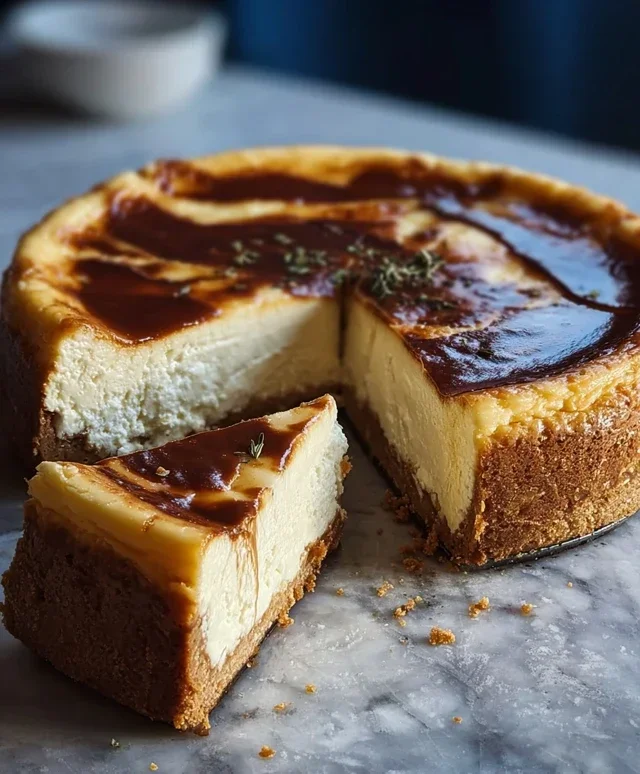
This Feta Cheesecake is best served chilled. It’s wonderful on its own, or you can garnish it with a sprinkle of fresh thyme, a drizzle of honey, or even some toasted nuts for added texture. Enjoy this uniquely delicious take on cheesecake!
Conclusion:
I hope you’ve enjoyed learning how to make this delightful Feta Cheesecake! It truly is a fantastic recipe because it takes a familiar dessert and gives it a wonderfully savory and tangy twist. The creamy texture of the cheesecake beautifully complements the salty, sharp notes of the feta, creating a flavor profile that’s both sophisticated and surprisingly comforting. It’s a dish that’s sure to impress your guests or be a unique treat for yourself.
This Feta Cheesecake is incredibly versatile. For a more traditional dessert experience, serve it chilled with a drizzle of honey or a balsamic glaze. It also makes a stunning appetizer; consider topping it with fresh figs, toasted walnuts, or a scattering of fresh herbs like dill or chives. I’ve also found it pairs wonderfully with a crisp white grape juice.
Don’t be afraid to experiment with variations! You could incorporate finely chopped sun-dried tomatoes into the batter for an extra burst of Mediterranean flavor, or perhaps add a hint of lemon zest to brighten the taste even further. The possibilities are truly endless!
I wholeheartedly encourage you to give this Feta Cheesecake recipe a try. It’s a rewarding baking project that delivers exceptional results and opens up a whole new world of cheesecake possibilities. Let me know how yours turns out!
Frequently Asked Questions:
Can I make this Feta Cheesecake ahead of time?
Absolutely! This Feta Cheesecake is even better when made a day in advance. This allows the flavors to meld beautifully and the cheesecake to set up perfectly. Store it covered in the refrigerator.
What if I don’t like feta cheese? Are there alternatives?
While feta is key to the unique flavor of this cheesecake, you could experiment with other tangy, crum extractbly cheeses. Goat cheese, in moderation, might offer a similar sharp and creamy profile, though it will alter the overall taste of the final dish.
Feta Cheesecake
A savory cheesecake featuring the salty tang of feta cheese, balanced with honey and lemon zest, on a buttery graham cracker crust.
Ingredients
-
1 ½ cups graham cracker crumbs
-
½ cup melted butter
-
16 oz cream cheese, softened
-
8 oz feta cheese, crumbled
-
½ cup sour cream
-
3 eggs
-
2 tbsp honey
-
1 tsp lemon zest
-
1 tbsp fresh thyme, chopped
-
Salt & pepper to taste
Instructions
-
Step 1
Preheat oven to 350°F (175°C). Grease a 9-inch springform pan. -
Step 2
In a bowl, combine graham cracker crumbs and melted butter. Press mixture evenly into the bottom of the prepared springform pan. -
Step 3
In a large bowl, beat cream cheese until smooth. Gradually beat in sour cream and honey until well combined. -
Step 4
Beat in eggs one at a time, mixing until just combined after each addition. Stir in crumbled feta cheese, lemon zest, and fresh thyme. Season with salt and pepper. -
Step 5
Pour the cheesecake mixture over the crust. Smooth the top. -
Step 6
Bake for 60 minutes, or until the edges are set and the center is slightly jiggly. -
Step 7
Turn off the oven and let the cheesecake cool in the oven with the door ajar for 1 hour. This prevents cracking. -
Step 8
Remove from oven and cool completely on a wire rack. Chill in the refrigerator for at least 4 hours before serving.
Important Information
Nutrition Facts (Per Serving)
It is important to consider this information as approximate and not to use it as definitive health advice.
Allergy Information
Please check ingredients for potential allergens and consult a health professional if in doubt.

Leave a Comment