

Danish Butter Cookies (Melt in your mouth) are more than just a treat; they are a nostalgic embrace of pure, unadulterated delight. Have you ever experienced that moment when a delicate, golden biscuit simply dissolves on your tongue, leaving behind a whisper of rich butter and sweet vanilla? That’s the magic of authentic Danish Butter Cookies (Melt in your mouth), a confection that has captivated hearts and taste buds for generations. They are the quintessential cookie for any occasion, from a comforting afternoon tea to a festive holiday gathering. What truly sets these buttery wonders apart is their incredibly tender crumb and their irresistible, almost ethereal texture – a testament to a carefully crafted recipe that has stood the test of time. Get ready to embark on a culinary journey that promises pure bliss, one perfect bite at a time.
Ingredients:
- 1 cup (227 g) European salted butter (room temperature)
- 1/2 cup (100 g) granulated sugar
- 1/8 teaspoon salt
- 2 egg yolks
- 2 teaspoons (10 g) vanilla extract
- 1 tablespoon (15 g) whole milk (or more to soften)
- 2 cups (220 g) all-purpose flour
- 1/2 cup (50 g) cake flour
- coarse sugar (for decorating)
Creaming the Butter and Sugar
The foundation of any truly melt-in-your-mouth Danish butter cookie is the perfect creaming of butter and sugar. For this, it’s crucial that your European salted butter is truly at room temperature. This doesn’t mean melted, but rather soft and yielding to the touch. If you press it with your finger, it should indent easily. This allows the butter to incorporate air effectively, which is key to the cookie’s tender texture. In a large mixing bowl, combine the softened butter with the granulated sugar and the 1/8 teaspoon of salt. The salt in the European butter already provides a lovely nuanced flavor, but this tiny bit more will help to balance the sweetness and enhance the overall taste profile.
Begin creaming these ingredients together using an electric mixer on medium speed. I find that starting slow for about 30 seconds helps to avoid a sugar cloud in your kitchen, then gradually increasing the speed. You’ll want to cream this mixture for a good 3 to 5 minutes. What you’re looking for is a pale, fluffy, and light mixture. It should have significantly increased in volume. This aeration process is what gives Danish butter cookies their signature lightness and that desirable “melt in your mouth” quality. Scrape down the sides of the bowl periodically to ensure all the butter and sugar are incorporated evenly into the creaming process. This step is non-negotiable for achieving the perfect texture.
Incorporating the Wet Ingredients
Once you have that beautifully pale and fluffy butter-sugar mixture, it’s time to add the richness of the egg yolks and the fragrant vanilla. Add the 2 egg yolks to the creamed butter and sugar. Egg yolks contribute to the richness, color, and a slightly chewy texture, while also acting as emulsifiers to bind the fat and other ingredients. Beat these in on medium speed until just combined. Don’t overmix at this stage; you want to see the yellow of the yolks disappear into the pale mixture.
Next, add the 2 teaspoons of vanilla extract. High-quality vanilla extract makes a noticeable difference in the flavor of baked goods, and for Danish butter cookies, it’s an essential aromatic component that complements the buttery notes beautifully. Beat the vanilla extract in until it’s fully incorporated. At this point, the mixture might look slightly curdled; this is perfectly normal and will resolve once the dry ingredients are added.
Now, for the milk. Add the 1 tablespoon of whole milk. This little bit of liquid helps to bring everything together smoothly and can also help to adjust the dough’s consistency if it feels a little stiff. If your dough seems particularly stiff after adding the flour, you can add a tiny bit more milk, perhaps an extra teaspoon, but be cautious not to make the dough too wet. Mix on low speed until the milk is just incorporated.
Combining the Dry Ingredients and Forming the Dough
It’s time to bring in the flour. In a separate bowl, whisk together the 2 cups of all-purpose flour and the 1/2 cup of cake flour. Cake flour, with its lower protein content, helps to create a more tender and delicate crumb compared to using only all-purpose flour. Whisking them together ensures they are evenly distributed before they meet the wet ingredients, which promotes a more uniform dough.
With your mixer on the lowest speed, or even by hand using a spatula, gradually add the flour mixture to the butter, egg, and sugar mixture. Mix until just combined. You don’t want to overmix the dough once the flour is added, as this can develop the gluten in the flour, resulting in tough cookies. Stop mixing as soon as you no longer see streaks of dry flour. The dough should be soft and slightly sticky, but still hold its shape.
If the dough feels too stiff to handle or pipe, this is where you might add that extra teaspoon of whole milk, mixing it in on low speed until just incorporated. The goal is a pliable dough that can be shaped.
Shaping and Decorating the Cookies
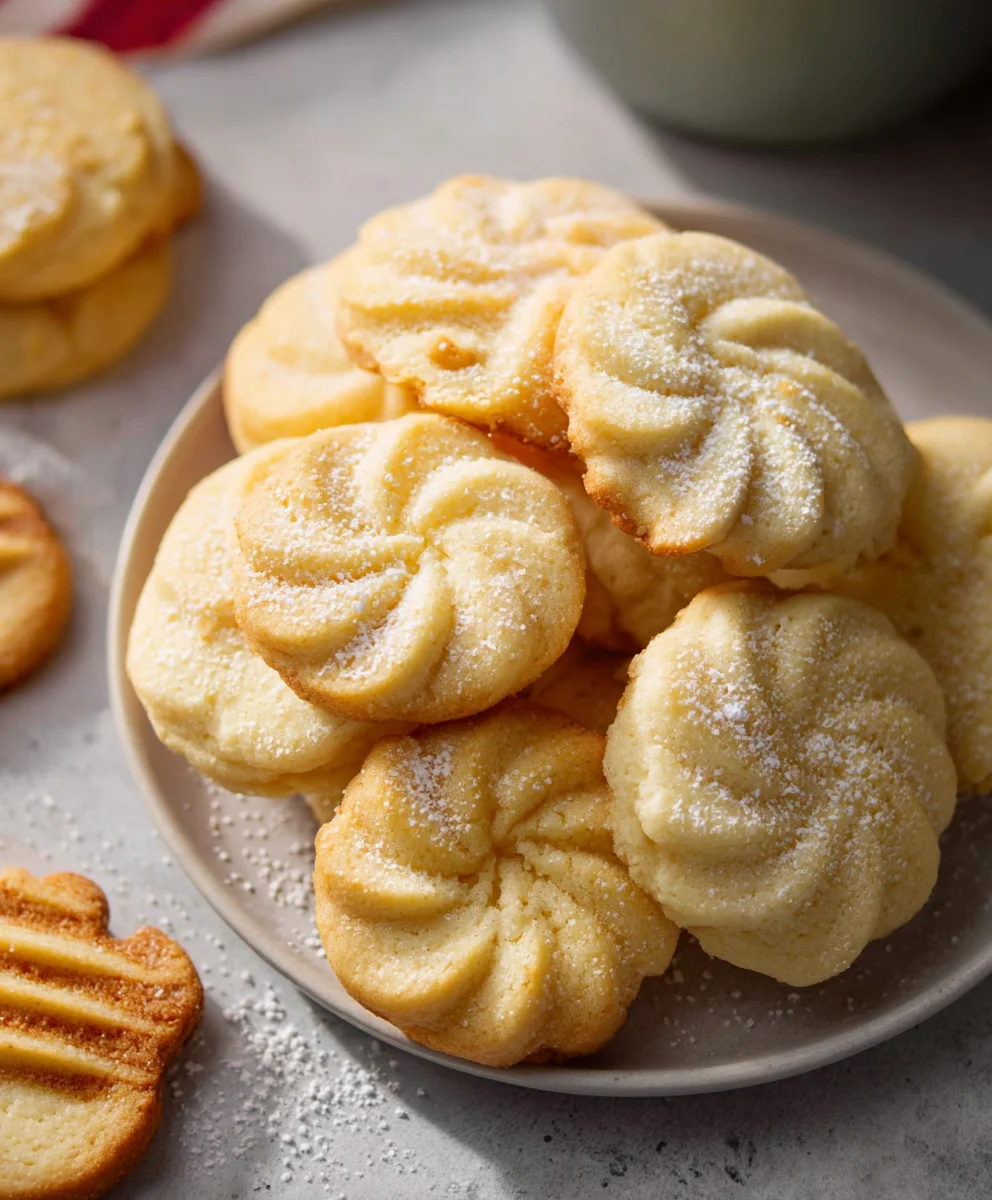
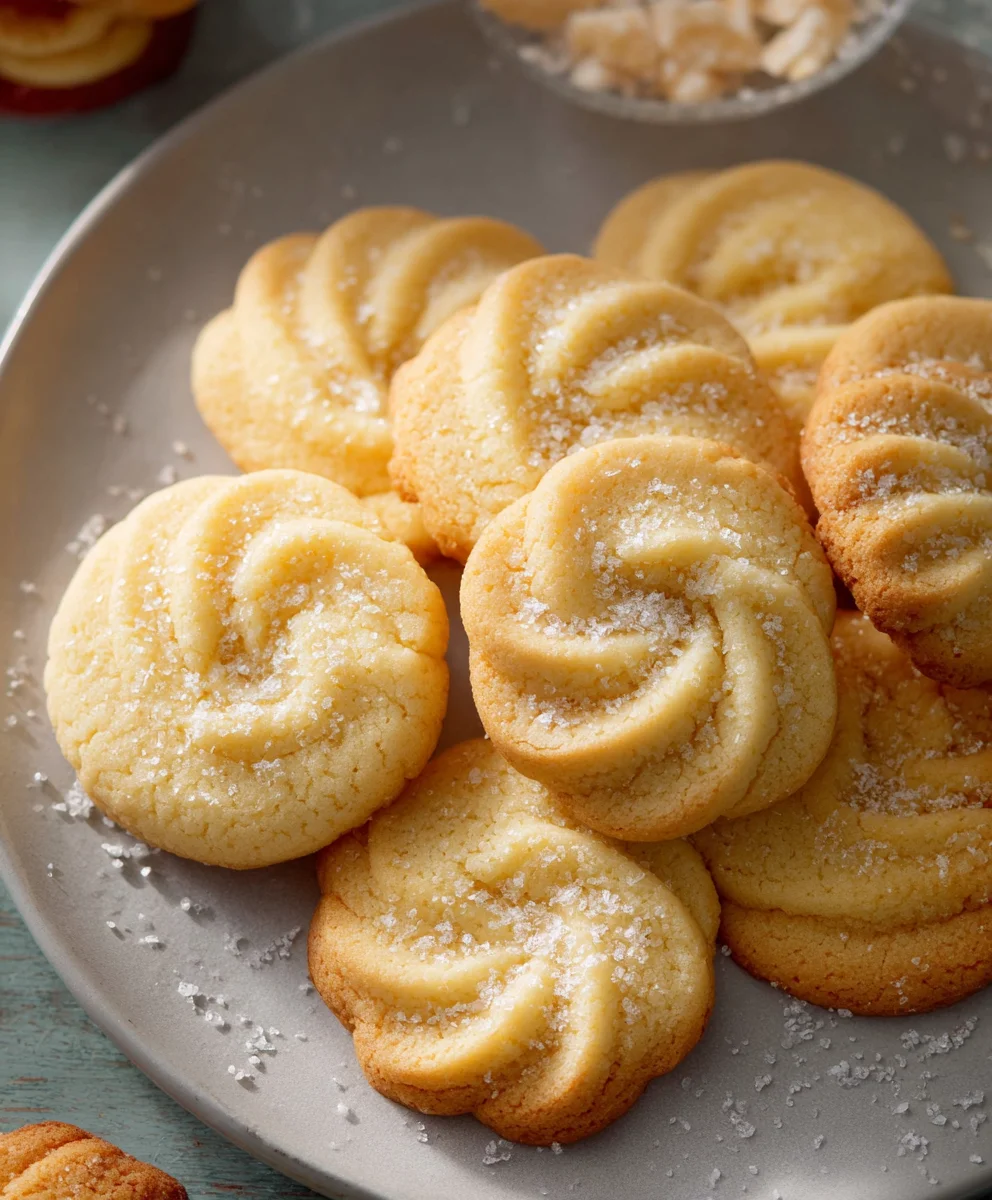
Now for the fun part – shaping our Danish butter cookies! The dough is quite soft, making it ideal for piping, which gives those characteristic swirls and patterns. You can use a piping bag fitted with a star tip (a large one works wonderfully) to pipe the dough onto baking sheets lined with parchment paper. Alternatively, you can simply roll small portions of dough into balls and flatten them slightly with a fork. For a classic look, I like to pipe them into circular or S-shapes.
Leave about 2 inches of space between each cookie, as they will spread slightly during baking. Once piped or shaped, it’s time for the finishing touch: coarse sugar. Gently sprinkle the tops of the unbaked cookies with coarse sugar. This sugar will bake into a lovely crunchy topping that provides a delightful textural contrast to the tender cookie and adds a beautiful sparkle. You can be generous with it, or just add a light dusting.
Baking to Perfection
Preheat your oven to 350°F (175°C). It’s important to have your oven at the correct temperature before the cookies go in for even baking.
Carefully place the prepared baking sheets into the preheated oven. Bake for 12 to 15 minutes, or until the edges of the cookies are lightly golden brown and the centers appear set. Keep a close eye on them, especially during the last few minutes, as they can go from perfectly baked to overdone very quickly. The goal is a pale golden hue, not a deep brown, to maintain that delicate flavor and texture.
Once baked, remove the baking sheets from the oven. Let the cookies cool on the baking sheets for about 5 minutes. This allows them to firm up just enough so they don’t fall apart when you move them. Then, carefully transfer the cookies to a wire rack to cool completely. This complete cooling on a wire rack is essential for achieving that signature melt-in-your-mouth texture and preventing them from becoming soggy. Once fully cooled, they are ready to be enjoyed or stored.
Conclusion:
And there you have it! You’ve successfully recreated the magic of these Danish Butter Cookies (Melt in your mouth). The simple yet elegant combination of butter, sugar, and a hint of vanilla truly delivers on its promise of a delightful, tender cookie that dissolves on your tongue. I hope you’ve enjoyed the process and are now proudly sharing these homemade treasures. Don’t hesitate to experiment with the serving suggestions – they’re perfect for afternoon tea, accompanying a rich dessert, or simply as a comforting treat with a glass of milk. Remember, the beauty of these cookies lies in their versatility; a dash of lemon zest or a sprinkle of cardamom can elevate them to new heights. So go forth, bake with joy, and savor every single crumb of your delicious Danish Butter Cookies!
Frequently Asked Questions:
Can I make these cookies ahead of time?
Absolutely! These Danish Butter Cookies store exceptionally well. Once completely cooled, store them in an airtight container at room temperature for up to a week. They are perfect for making ahead for parties or as gifts.
What is the best way to store leftover Danish Butter Cookies?
For optimal freshness, store your cooled Danish Butter Cookies (Melt in your mouth) in a tightly sealed container. Avoid plastic bags as they can sometimes trap moisture. If you have different flavors or additions, it’s best to store them separately to prevent flavors from mingling.
Can I add chocolate chips or other mix-ins?
While the classic Danish Butter Cookie is celebrated for its pure butter flavor, you can certainly get creative! Small, finely chopped chocolate chips or a sprinkle of your favorite nuts can be gently folded into the dough before baking. Just be mindful that additional ingredients might slightly alter the texture and melt-in-your-mouth quality.
Melt-in-Your-Mouth Danish Butter Cookies Recipe
Learn how to make incredibly tender and buttery Danish butter cookies that practically melt in your mouth. This recipe focuses on key techniques like perfect butter creaming and the right flour blend for a truly authentic taste and texture.
Ingredients
-
1 cup (227 g) European salted butter (room temperature)
-
1/2 cup (100 g) granulated sugar
-
1/8 teaspoon salt
-
2 egg yolks
-
2 teaspoons (10 g) vanilla extract
-
1 tablespoon (15 g) whole milk (or more to soften)
-
2 cups (220 g) all-purpose flour
-
1/2 cup (50 g) cake flour
-
coarse sugar (for decorating)
Instructions
-
Step 1
Cream the room-temperature European salted butter, granulated sugar, and salt in a large bowl with an electric mixer on medium speed for 3-5 minutes until pale, fluffy, and significantly increased in volume. Scrape down the sides of the bowl periodically. -
Step 2
Beat in the 2 egg yolks until just combined. Then, add the 2 teaspoons of vanilla extract and beat until fully incorporated. The mixture might look slightly curdled, which is normal. -
Step 3
Add 1 tablespoon of whole milk and mix on low speed until just incorporated. If the dough seems too stiff later, you can add an extra teaspoon of milk. -
Step 4
In a separate bowl, whisk together the all-purpose flour and cake flour. Gradually add the flour mixture to the wet ingredients on the lowest mixer speed or by hand with a spatula, mixing until just combined and no streaks of dry flour remain. Do not overmix. -
Step 5
Shape the dough using a piping bag fitted with a star tip to create swirls or S-shapes onto baking sheets lined with parchment paper, leaving about 2 inches between cookies. Alternatively, roll into small balls and flatten slightly. Sprinkle generously with coarse sugar for decorating. -
Step 6
Bake in a preheated oven at 350°F (175°C) for 12-15 minutes, or until the edges are lightly golden brown and the centers are set. Keep a close watch to prevent overbaking. -
Step 7
Let the cookies cool on the baking sheets for 5 minutes before carefully transferring them to a wire rack to cool completely. This cooling process is crucial for achieving the melt-in-your-mouth texture.
Important Information
Nutrition Facts (Per Serving)
It is important to consider this information as approximate and not to use it as definitive health advice.
Allergy Information
Please check ingredients for potential allergens and consult a health professional if in doubt.
Leave a Comment